Seventy kilometres from Vadodara, twenty kilometres from Champaner’s UNESCO monuments, and well off the radar of most Gujarat tourist itineraries, there is a forest that was once a prince’s private hunting ground. The Ranas of Jambughoda kept these teak and bamboo hills as their personal estate for generations a fact that may have inadvertently preserved the forest’s extraordinary density and biodiversity. When the princely state was dissolved after Independence and the land eventually declared a protected sanctuary in 1990, nature was already well ahead of the schedule.
Jambughoda Wildlife Sanctuary in Panchmahal district is 130 square kilometres of forested hills, two scenic reservoirs, tribal villages with painted homes, leopards in the undergrowth, sloth bears near the water, and an eco-camping scene run by local communities that is one of the most authentic forest-stay experiences in Gujarat. It is not a famous sanctuary. It is not on the national wildlife circuit. That is exactly why it is worth going.
This TravelRoach guide covers everything the sanctuary’s history, all wildlife and flora, the three eco-campsites, Jambughoda Palace, tribal culture, trekking, entry fees, how to reach, best time, and how to combine it with the spectacular Champaner-Pavagadh UNESCO site just 20 km away.
Jambughoda Wildlife Sanctuary — Quick Information
| Detail | Information |
| Location | Panchmahal district, Central Gujarat in the Mahi River Basin |
| Area | ~130.38 sq km |
| Declared Sanctuary | May 1990 (under Wildlife Protection Act, 1972) |
| Eco-Zone | Eastern Gujarat dry deciduous forests |
| Former Status | Private hunting grounds and forest estate of the Ranas of Jambughoda (Princely State) |
| Key Water Bodies | Kada Reservoir and Targol Reservoir (inside the sanctuary) |
| Tribal Communities | Rathwa, Nayaka, Bhilala live in and around the sanctuary |
| Entry Fee | ₹50 per person |
| Timings | 6:00 AM – 7:00 PM (daily) |
| Contact / Phone | 0265 242 5136 |
| Best Season | October to March (winter) pleasant weather, active wildlife |
| Monsoon Caution | July to September lush but trails slippery; some sections may close |
| Eco-Campsites | Dhanpari, Targol, and other community-managed campsites inside sanctuary |
| Heritage Stay | Jambughoda Palace (heritage homestay) near the sanctuary |
| Distance from Vadodara | ~70 km (~1.5 hours) |
| Distance from Champaner | ~20 km (~30 minutes) |
| Distance from Godhra | ~30 km (~40 minutes) |
| Distance from Ahmedabad | ~150–160 km (~2.5–3 hours) |
| Nearest Railway Station | Vadodara Junction (~70 km); Shivrajpur Station (~15–20 km from sanctuary) |
| Nearest Airport | Vadodara Airport (~70 km) |
About Jambughoda Wildlife Sanctuary
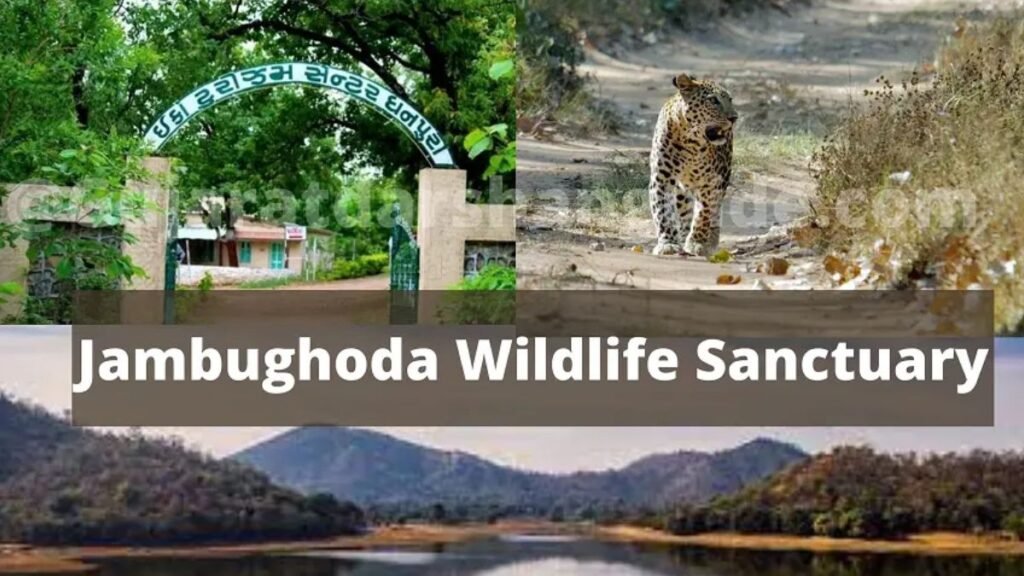
A Royal Forest Preserved by Princely Privilege
The story of Jambughoda Wildlife Sanctuary begins long before the Forest Department arrived. The Jambughoda Princely State ruled by the Ranas of Jambughoda owned these hills as their personal forest estate. Like many princely states, the Ranas maintained these forests primarily as private hunting grounds, which had the unintended consequence of keeping the land free from large-scale agricultural clearing or commercial logging. When India gained independence in 1947 and the princely states were dissolved, the forests of Jambughoda were absorbed into what would eventually become Panchmahal district of Gujarat.
It took several more decades before formal protection was established. The sanctuary was officially declared in May 1990 under the Wildlife Protection Act of 1972, with the Gujarat Forest Department taking over its management. Today, the Jambughoda Palace the former home of the Ranas still stands near the sanctuary and has been sensitively converted into a heritage homestay, allowing visitors to sleep in royal surroundings with the forest at their doorstep.
Also Read: Thol Lake Bird Sanctuary
The Landscape — Hills, Reservoirs, and Forest
Jambughoda sits in the Mahi River Basin, in the hilly terrain that marks the transition between the Vindhya-Satpura ranges and the Gujarat plains. The topography is characterised by undulating forested hillocks, rocky outcrops, seasonal streams, and two significant reservoirs Kada and Targol that were created when dams were built on these streams. These reservoirs are among the most ecologically important features of the sanctuary: they attract wildlife to the water’s edge and draw migratory birds in their thousands during the winter months.
The sanctuary falls within the Eastern Gujarat dry deciduous forests eco-zone a landscape of teak, bamboo, and mahua dominant vegetation, different in character from the dense, moist Western Ghats forests but with its own beauty and biodiversity. In the monsoon, the hills turn intensely green and seasonal waterfalls appear among the rocks. In winter, the leaf-fall opens up visibility through the forest for wildlife watching. In summer, the dried landscape concentrates animals near the water sources of the reservoirs.
Flora – The Trees and Plants of Jambughoda
The vegetation at Jambughoda is classified as dry deciduous forest dominated by teak with a rich understorey of bamboo and mahua but with considerable diversity across microhabitats ranging from dense forest to grassland patches, riparian (river/reservoir edge) vegetation, and dry scrub on the rocky hilltops.
Key Tree Species
- Teak (Sag / Sagwan) – The dominant canopy tree. Tall, straight, and golden-trunked. Dense teak forest covers much of the sanctuary’s core.
- Bamboo – Extensive thickets throughout the sanctuary, particularly on slopes and near water. Important food source for wildlife and structural material for tribal communities.
- Mahua (Mahuda) – One of the most culturally significant trees of the region. The Rathwa and other tribal communities use mahua flowers for food, medicine, and ceremonial preparations.
- Khair – A moderate-sized tree whose wood has been used in traditional crafts for centuries.
- Sadad, Shisham (Rosewood), Dhav, Bili – Hardwood species forming the forest understorey.
- Timru – Used by tribal communities for its leaves in the preparation of traditional patravali (leaf plates).
- Flame of the Forest (Palash/Kesuda) – Lights the hillsides with brilliant orange-red flowers between February and April, creating one of the most spectacular seasonal displays in Gujarat’s dry forests.
The sanctuary also supports significant grassland patches important habitat for nilgai, barking deer, and birds of prey as well as dense aquatic vegetation at the reservoir edges that supports waterbirds and amphibians.
Wildlife – What to Look For
Mammals
| Animal | Sighting Chance | Notes |
| Leopard | Low – Elusive | Present in the sanctuary. Most likely to be seen at dawn or dusk near water sources and rocky outcrops. Track sightings are more common than direct encounters. |
| Sloth Bear | Medium | One of the sanctuary’s key species. Found near forest floor and near fruit trees. Best chance in early morning near Kada and Targol reservoirs. |
| Wolf | Low | Present but rarely seen. More likely near grassland edges of the sanctuary. |
| Hyena | Low–Medium | Nocturnal. Occasional sightings at dawn and dusk. Heard more often than seen distinctive whooping call. |
| Wild Boar | High | Very common throughout the sanctuary. Roam in family groups and regularly cross the forest tracks. |
| Nilgai (Blue Bull) | High | India’s largest antelope is frequently seen grazing in open areas and forest clearings. |
| Barking Deer (Muntjac) | Medium | Shy, small deer that gives a sharp dog-like bark alarm call. More easily heard than seen. Active at dusk. |
| Four-Horned Antelope (Chausingha) | Medium | The world’s only four-horned antelope. Found in grassland and forest edge areas. Fast and alert. |
| Sambar Deer | Medium | Found near water sources. Larger than barking deer. Active in early morning. |
| Indian Giant Squirrel | Medium | Large, colourful squirrel seen in the canopy of tall teak trees. Often heard before seen. |
| Jungle Cat | Low | Occasional sightings in grassland patches and forest edges. |
| Indian Civet | Low | Nocturnal. Rarely seen but evidence (tracks, scat) found regularly. |
| Porcupine | Low | Nocturnal. Quills and digging marks are common evidence even when the animal is not seen. |
| Mongoose and Jackal | High | Both species are common and regularly seen during daytime visits. |
Birds — 25 to 30 Species in a Single Tour
Jambughoda Wildlife Sanctuary is an excellent birdwatching destination, particularly at the Kada and Targol reservoirs which attract large numbers of migratory and resident waterbirds during the winter months. An experienced birdwatcher can typically spot 25 to 30 species in a single guided morning visit.
- Waterbirds at Kada and Targol – Painted Stork, Little Cormorant, Darter, Grey Heron, Purple Heron, Kingfisher species, Sandpiper species, and wintering ducks during November to February
- Raptors – Crested Serpent Eagle, Shikra, Black-shouldered Kite, and various migratory raptors in winter
- Forest birds – Indian Roller (Neelkanth), Bee-eaters, Woodpeckers, Barbets, Indian Grey Hornbill
- Flame of the Forest season (Feb–April) attracts sunbirds, flycatchers, and Coppersmith Barbets to the flowering trees
- Peacock – Common throughout the sanctuary and a regular sight on forest tracks
- Grey Jungle Fowl – Heard calling loudly from dense undergrowth, especially at dawn
Also Read: Khijadia Bird Sanctuary, Jamnagar
Reptiles and Other Wildlife
- Indian Rock Python – Present; occasionally spotted near water bodies
- Monitor Lizard – Active in daylight; frequently seen near rock outcrops and forest edges
- Various snake species – Cobra, Rat Snake, and others; exercise normal forest caution
- Freshwater turtles and fish in the Kada and Targol reservoirs
Eco-Campsites – Sleeping in the Forest
One of Jambughoda’s most distinctive offerings is its network of community-managed eco-campsites inside the sanctuary. These camps are run by local tribal and village communities primarily the Rathwa and Nayaka peoples meaning your visit directly supports local livelihoods rather than outside commercial operators. This is responsible tourism at its most genuine.
1. Dhanpari Eco-Campsite
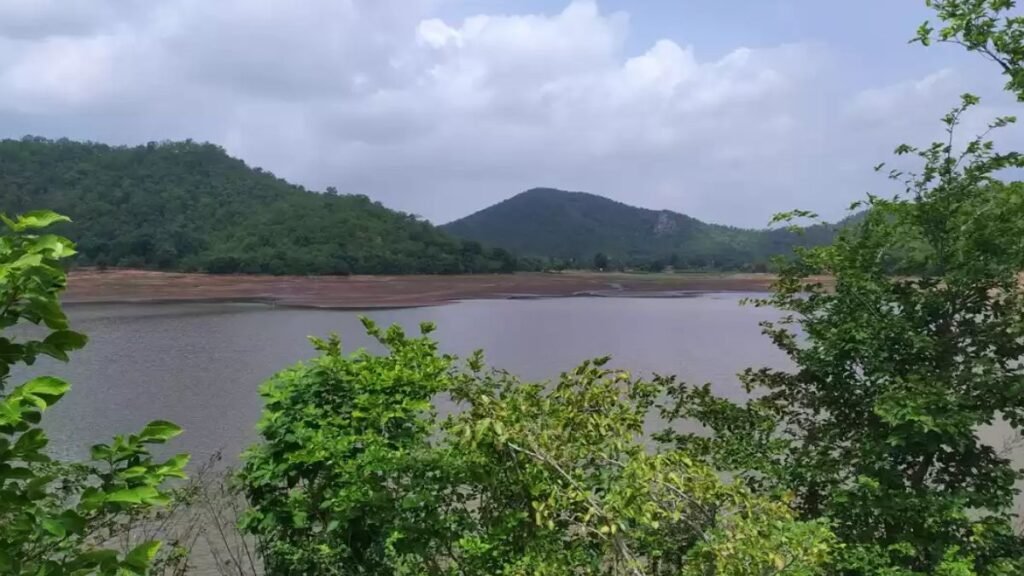
Located in the heart of the sanctuary, the Dhanpari campsite is surrounded by dense teak forest trails with good wildlife in the surrounding area. It is the most immersive of the campsites deep enough in the forest to hear nocturnal wildlife sounds at night. Early morning walks from this campsite are excellent for birdwatching and wildlife spotting. The local village hosts provide traditional Gujarati vegetarian meals cooked on wood fires using fresh local produce. Simple tent accommodation on site.
Best For: Wildlife enthusiasts, birdwatchers, school trips, families who want a genuine forest experience
2. Targol (Targod) Eco-Campsite
Situated near the Targol Reservoir, this campsite is the best choice for photography and birdwatching. The reservoir attracts a wide variety of birds particularly waterbirds in the winter months and the evening light over the water creates beautiful photography conditions. Stargazing from the Targol campsite on clear winter nights is exceptional, with no light pollution for miles around. Accommodation in tents with simple facilities.
Best For: Photographers, birdwatchers, stargazers, couples, and those wanting peaceful reservoir-side camping
3. Kada Reservoir Forest Rest House
The Gujarat Forest Department operates a forest rest house near the Kada Reservoir the larger of the two water bodies in the sanctuary. This is the most established accommodation option and must be booked in advance through the Forest Department. The rest house provides a comfortable base for exploring the sanctuary over 2 to 3 days. The proximity to the Kada Reservoir means excellent wildlife sightings from the rest house area, particularly in the early morning.
Booking: Contact the Gujarat Forest Department or call 0265 242 5136 | Book well in advance for weekends and peak season (November to February)
Jambughoda Palace – Heritage Stay
For those who prefer something different from tents and forest rest houses, the Jambughoda Palace the former home of the Ranas of Jambughoda has been converted into a heritage homestay. Staying in the palace while the sanctuary is literally at your doorstep is a compelling combination: colonial-era rooms with period furnishings, local home-cooked meals, and morning wildlife walks into the forest. The palace is the only accommodation in the region that combines the heritage of the princely state with direct sanctuary access.
Tribal Culture – The Rathwas, Nayakas, and Pithora Art
The tribal communities living in and around Jambughoda Wildlife Sanctuary primarily the Rathwa, Nayaka, and Bhilala peoples are as much a part of this destination’s appeal as the wildlife. These communities have lived in these forests for centuries and maintain a relationship with the land that is genuinely in harmony with the ecosystem.
The Rathwa Tribe and Pithora Murals
The Rathwa tribe is famous throughout Central Gujarat and beyond for their extraordinary Pithora mural painting tradition. Pithora paintings are large, vibrant murals painted on the interior walls of Rathwa homes densely populated with horses, deities, birds, trees, and scenes from the natural and spiritual world, all executed in bright earthy colours. The paintings are not decorative they are sacred rituals performed at times of family celebration or need, painted by a designated artist called a Lakhara, and accompanied by song and ceremony.
Visiting a Rathwa village near Jambughoda and seeing Pithora murals in their original context painted on the walls of the actual homes where families live is one of the most extraordinary cultural experiences in Gujarat. This is not a museum display. These are living walls.
Eco-Tourism and Community Livelihood
The eco-campsites at Dhanpari and Targol are deliberately managed by local tribal and village communities. The guides on nature walks are local men and women who have grown up in these forests and have an encyclopaedic knowledge of the flora, fauna, tracks, and seasonal rhythms that no outside expert can replicate. The food served is traditional home cooking vegetarian, freshly prepared, wood-fired. Every rupee spent at these campsites stays within the community. This model of eco-tourism is rare, and it works.
Tribal Villages to Visit
- Bayaka Village A Rathwa village near the sanctuary with traditional homes, Pithora murals, and opportunities to meet community members
- Bhilala settlement areas Communities with distinct traditions, crafts, and agricultural practices worth learning about
Note: Always visit tribal villages with a local guide arranged through the eco-campsite management or the Forest Department. Respect local customs, do not photograph people without explicit permission, and engage with curiosity and genuine respect.
Also Read: Purna Wildlife Sanctuary
Things to Do at Jambughoda Wildlife Sanctuary
1. Wildlife Safari – Jeep and Self-Drive
Wildlife safaris through the sanctuary’s forest tracks are the primary way to see the mammals and birds. The best windows are the two hours after sunrise (6 to 8 AM) and the two hours before sunset (4 to 6 PM) when animals are most active. Engage a local guide from the Forest Department or through the eco-campsites for the best results they know the tracks where individual animals are regularly sighted.
2. Birdwatching at Kada and Targol Reservoirs
The two reservoirs inside the sanctuary Kada and Targol are the finest birdwatching spots in Panchmahal district during the winter months. Arrive at the reservoir edge by 7 AM and observe quietly. The combination of forest birds in the surrounding trees, waterbirds at the reservoir edge, and raptors overhead creates an exceptionally rich birdwatching experience. Carry binoculars and the Merlin Bird ID app.
3. Nature Walks and Trekking
Guided nature walks through the forest trails at Jambughoda offer a slower, more intimate experience than a vehicle safari. Walking allows you to notice what a vehicle misses tracks in the mud, spiderwebs with morning dew, the bark texture of different tree species, small birds in the undergrowth, and the way the light changes through the teak canopy. The trails near the Dhanpari campsite are particularly good for this. Rock climbing on the rocky hillsides is also available for adventure seekers.
4. Camping Under the Stars
An overnight stay at one of the eco-campsites is the deepest way to experience Jambughoda. The sounds of the forest at night the distant call of a hyena, the bark of a spotted deer, the churring of nightjars, and the deep silence between sounds — are experiences only available to those who stay after the day visitors leave. The Targol campsite’s stargazing on a clear winter night, far from any city light is outstanding.
5. Tribal Village Visit and Pithora Art
Arrange a guided visit to a nearby Rathwa village to see Pithora murals in their authentic domestic setting. The experience of standing in a village home while the guide explains the symbolism and ceremony behind the painted walls the horses carrying the deity Pithora, the trees of the sacred forest, the birds of the surrounding landscape is profound and unlike any museum experience. Buy locally made crafts directly from the artisans to support community livelihoods.
6. Visit Kada and Targol Dams – Reservoir Photography
Even for non-birdwatchers, a visit to the Kada and Targol reservoirs is worthwhile purely for the scenic beauty. The forest-fringed reservoirs with the Aravalli-Satpura hills behind them create beautiful landscape photography opportunities particularly in the golden hour of early morning and late afternoon. The Flame of the Forest (Palash) trees around the reservoir edges burst into orange-red bloom between February and April, creating spectacular photographic conditions.
7. Explore Champaner-Pavagadh UNESCO Site (~20 km)
Jambughoda’s proximity to the Champaner-Pavagadh Archaeological Park a UNESCO World Heritage Site with extraordinary 15th-century mosque architecture and the Kalika Mata Temple atop Pavagadh Hill makes it a natural companion destination. A 2-day Panchmahal trip that combines Jambughoda (forest stay, wildlife, tribal culture) with Champaner-Pavagadh (heritage, history, pilgrimage) covers the full spectrum of what this district offers.
Best Time to Visit Jambughoda Wildlife Sanctuary
October to March – Best Season (Recommended)
Winter is the ideal time to visit Jambughoda. Temperatures are pleasant (15 to 25 degrees Celsius), wildlife is most active in the morning and evening, the Kada and Targol reservoirs attract migratory waterbirds, and all forest tracks are accessible. November and December are particularly beautiful the monsoon’s greenery is still evident, the air is cool, and wildlife activity is at its peak. The Flame of the Forest trees begin to bloom in February, adding extraordinary colour to the landscape.
February to April – Flame of the Forest Season
Between February and April, the Palash (Flame of the Forest) trees erupt in vivid orange-red across the hillsides and reservoir edges. This seasonal transformation the forest turning from green to a dramatic palette of orange and red before the trees leaf out fully is one of the most beautiful natural events in Central Gujarat. Photographers and nature lovers specifically time visits to catch this display. Wildlife sightings are also good during this period.
July to September – Monsoon
The monsoon season transforms Jambughoda into a landscape of intense, dripping greenery. Seasonal waterfalls appear among the rocky hillsides and the reservoirs fill to capacity. The atmosphere is deeply atmospheric. However, some forest trails become slippery and may be closed, and the eco-campsites may have limited operation. Not recommended for a first visit but rewarding for those who know the sanctuary well.
April to June – Summer (Not Recommended)
Temperatures in Panchmahal can exceed 40 degrees Celsius in May and June. The forest is dry, the tracks are exposed, and midday visits are uncomfortable. Wildlife concentrates near the reservoirs, which does improve sighting chances near water, but the overall conditions are challenging. If visiting in this period, arrive at the sanctuary gate by 6 AM and leave by 9 AM.
How to Reach Jambughoda Wildlife Sanctuary
| From | Distance | Mode | Approx. Time |
| Vadodara (Baroda) | ~70 km | Car / Taxi / Bus to Jambughoda + local auto | 1.5 hours |
| Champaner / Pavagadh | ~20 km | Car / Taxi | 30 minutes |
| Godhra | ~30 km | Car / Bus | 40–45 minutes |
| Halol | ~30–35 km | Car / Bus | 40 minutes |
| Ahmedabad | ~150–160 km | Car / Bus (via Vadodara or Halol) | 2.5–3 hours |
| Shivrajpur Railway Station | ~15–20 km | Train + Auto/Taxi | 25 minutes |
| Vadodara Junction (BRC) | ~70 km | Train + Taxi / Bus | 1.5 hours |
| Vadodara Airport | ~70 km | Flight + Taxi | ~1.5 hours |
By Road (Best Option)
Private car or hired taxi from Vadodara is the most convenient way to reach Jambughoda Wildlife Sanctuary. Take the Vadodara-Halol Highway and then continue to Jambughoda town, from where the sanctuary entrance is a short distance further. If combining with Champaner-Pavagadh, approach from Champaner (20 km from the sanctuary) for a natural two-destination loop.
By Bus
Regular GSRTC buses run from Vadodara to Halol and onward. From Halol, local buses and shared autos connect to Jambughoda town. From the town, hire a local auto-rickshaw or taxi to reach the sanctuary entrance. This is a practical option for budget travellers and solo visitors.
By Train
Vadodara Junction (BRC) is the nearest major railway station, approximately 70 km from the sanctuary. From Vadodara, hire a taxi or take a bus towards Jambughoda. The smaller Shivrajpur Railway Station, approximately 15 to 20 km from the sanctuary, may have limited train options check Indian Railways for current services. Vadodara is well-connected to Mumbai, Ahmedabad, Delhi, Surat, and other major cities.
Where to Stay Near Jambughoda Wildlife Sanctuary
- Eco-Campsites (Dhanpari and Targol) – Community-managed campsites inside the sanctuary with tent accommodation, local food, and guided nature walks. Pre-booking strongly recommended, especially for weekends and the October to February peak season. Contact the Forest Department at 0265 242 5136 or through Gujarat Tourism.
- Kada Reservoir Forest Rest House – Forest Department accommodation near the Kada Reservoir. Must be booked through the Gujarat Forest Department. Limited rooms; book well in advance.
- Jambughoda Palace (Heritage Homestay) – The converted palace of the Ranas of Jambughoda. Rooms with period character, local home-cooked meals, and forest access. A unique and atmospheric option.
- Vananchal Jungle Resort – Located in the forest ambiance near the sanctuary. Accommodation options available including tents and rooms.
- Jambughoda Resort (Caravan Serai) – An adventure resort in teak plantations near Vadodara with luxury caravan accommodation on the riverbank. Specifically designed for nature lovers visiting from Vadodara.
- Vadodara City Hotels (~70 km) – For visitors who prefer city comforts, Vadodara has a wide range of hotels. Day trip to Jambughoda (1.5 hours each way) is practical if you have your own vehicle.
Food at Jambughoda
There are no restaurants within the sanctuary itself. Here are your food options:
- Eco-campsite meals – The Dhanpari and Targol campsites provide traditional Gujarati vegetarian food cooked on wood fires by local community hosts. Simple, fresh, and completely authentic. Inform the campsite in advance of any dietary requirements.
- Jambughoda Palace – Home-cooked meals provided to guests staying at the heritage homestay.
- Forest Rest House – Basic meal facilities available for guests staying at the Kada forest rest house.
- Jambughoda town – A small town with tea stalls and basic eateries. Chai and simple Gujarati snacks (bhajiya, fafda, thepla) are available here.
- Champaner / Halol (~20–35 km) — For a proper sit-down meal, the towns near the sanctuary have local Gujarati dhabas and simple restaurants. Carry packed food if spending a full day inside the sanctuary.
Travel Tips for Jambughoda Wildlife Sanctuary
- Book eco-campsite accommodation well in advance the community-managed campsites at Dhanpari and Targol fill up quickly on weekends and during peak season. Contact the Forest Department or Gujarat Tourism early.
- Arrive at the sanctuary gate by 6 AM the first two hours of daylight are the best for wildlife sightings. The gate opens at 6 AM and early morning is when animals are most active.
- Hire a local guide the tribal guides at the eco-campsites and through the Forest Department have invaluable knowledge of animal movement patterns, bird calls, and forest ecology. The cost is modest and the experience is significantly enhanced.
- Carry all food and water there are no shops or stalls inside the sanctuary. Pack enough provisions for the full duration of your visit.
- Binoculars are essential wildlife in deciduous forest can be seen at considerable distances. A good pair of binoculars (8×42 or 10×42) transforms the birdwatching and wildlife watching experience.
- No plastic inside respect the sanctuary’s environment. Carry cloth bags and reusable water bottles. Take all waste back out with you.
- Wear muted, earthy colours avoid bright clothing that alerts wildlife to your presence. Greens, browns, and khakis are ideal.
- Move slowly and speak quietly on nature walks, the golden rule is slow movement and near-silence. The forest reveals itself to those who are patient.
- Combine with Champaner-Pavagadh the UNESCO World Heritage Site is only 20 km away. A 2-day Panchmahal trip that adds Champaner-Pavagadh to a Jambughoda forest stay creates a genuinely memorable Gujarat itinerary.
- Chhota Udaipur tribal fair if visiting between January and February, the Bhavathi tribal fair at Chhota Udaipur (~50 km from Jambughoda) is one of Gujarat’s most authentic tribal cultural events and pairs beautifully with a Jambughoda nature stay.
Nearby Attractions to Combine with Jambughoda
- Champaner-Pavagadh Archaeological Park ~20 km | UNESCO World Heritage Site. The Jami Masjid (15th century, one of India’s finest mosques), Pavagadh Hill with Kalika Mata Temple (Shakti Peetha), stepwells, ancient fortifications, and the ruins of Sultan Mahmud Begada’s royal capital. Read our full guide on TravelRoach.
- Vadodara (Baroda) ~70 km | Laxmi Vilas Palace (one of India’s largest private palaces), Baroda Museum and Picture Gallery, Fateh Singh Museum, Sayaji Baug botanical garden, and the EME Temple. A rich cultural and heritage city well worth a day.
- Chhota Udaipur ~50 km | The headquarters of Chhota Udaipur district, famous for the Rathwa tribal community’s Pithora art tradition and the Tribal Museum. The Bhavathi Tribal Fair (January-February) is one of Gujarat’s most authentic and least commercialised tribal cultural events.
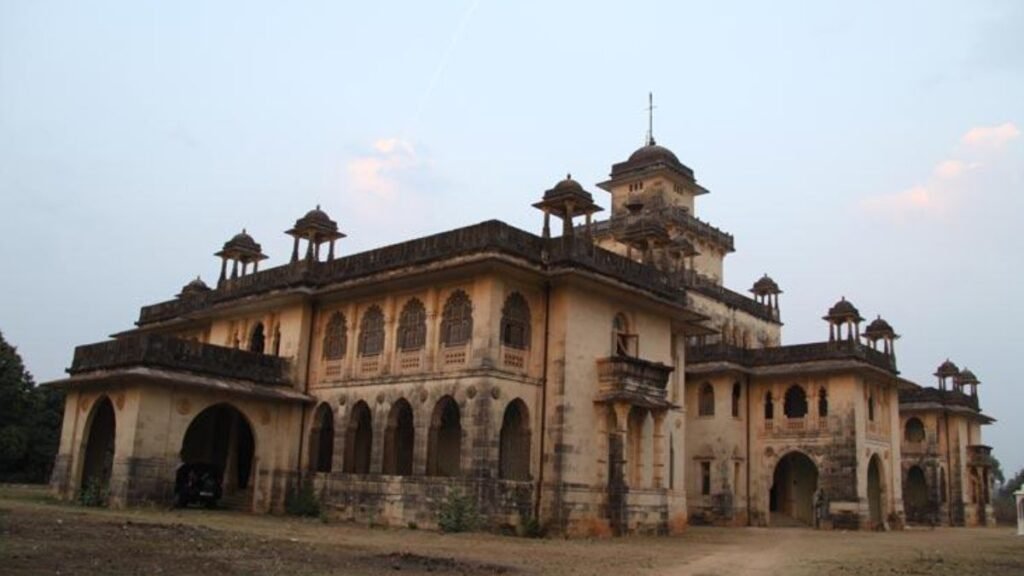
- Dabhoi Fort ~40 km | A 13th-century Vaghela Rajput fort with four intricately carved gateways considered among the finest examples of medieval fort architecture in Gujarat.
- Godhra ~30 km | Panchmahal district headquarters. A market town with basic facilities. The Kadana Dam and Kadana Reservoir are approximately 50 km further and offer scenic views and boating.
Frequently Asked Questions (FAQs)
Jambughoda Wildlife Sanctuary in Panchmahal district is known for several things: its rich biodiversity including leopards, sloth bears, four-horned antelopes, barking deer, and 25 to 30 bird species visible in a single birdwatching session; its community-managed eco-campsites at Dhanpari and Targol that offer one of Gujarat’s most authentic tribal forest-stay experiences; its two scenic reservoirs Kada and Targol that attract migratory birds in winter; the heritage Jambughoda Palace (former home of the Ranas of Jambughoda) converted into a heritage stay; and its proximity to the UNESCO Champaner-Pavagadh Archaeological Park just 20 km away.
The entry fee for Jambughoda Wildlife Sanctuary is ₹50 per person. The sanctuary is open daily from 6:00 AM to 7:00 PM. No advance booking is required for a day visit pay at the gate. For the eco-campsites (overnight stays), advance booking is strongly recommended, especially for weekends and the peak season between November and February. Contact the Forest Department at 0265 242 5136 for campsite bookings.
The best time to visit Jambughoda is from October to March, when the weather is cool (15 to 25 degrees Celsius), wildlife is most active, and migratory birds are present at the Kada and Targol reservoirs. November and December are particularly good for wildlife sightings in the cooler air. February to April is excellent for the Flame of the Forest (Palash) blooming season, when the hillsides turn vivid orange-red. The monsoon (July to September) is lush and atmospheric but some trails may be slippery or closed.
From Vadodara, the sanctuary is approximately 70 km — about 1.5 hours by road. Take the Vadodara-Halol Highway towards Halol and then continue to Jambughoda town. From the town, the sanctuary entrance is a short distance further. Private car or hired taxi from Vadodara is the most convenient option. GSRTC state buses run from Vadodara towards Halol and Jambughoda, from where a local auto-rickshaw or taxi completes the final stretch to the sanctuary gate.
Yes and an overnight stay is strongly recommended for the best experience of Jambughoda. There are three accommodation options: the community-managed eco-campsites at Dhanpari (in the forest heart) and Targol (near the reservoir), which provide tent accommodation, local tribal home-cooked meals, and guided nature walks; the Forest Department’s rest house near Kada Reservoir; and the Jambughoda Palace heritage homestay adjacent to the sanctuary. All require advance booking. Contact the Forest Department at 0265 242 5136 or Gujarat Tourism for current availability and rates.
The primary tribal communities living in and around Jambughoda Wildlife Sanctuary are the Rathwa, Nayaka, and Bhilala peoples. The Rathwa tribe is particularly famous for their Pithora mural painting tradition large, vibrant sacred murals painted on the interior walls of homes, depicting horses, deities, birds, trees, and scenes from the natural and spiritual world. Visiting a Rathwa village and seeing Pithora paintings in their authentic domestic setting on the actual walls of lived-in homes is one of the most profound cultural experiences in Central Gujarat.
Yes Jambughoda is an excellent family destination. The sanctuary is not overcrowded, the forest trails are accessible and not overly demanding, the eco-campsites cater well to family groups, and children genuinely enjoy the wildlife spotting, campfire evenings, and tribal village visits. The proximity to Champaner-Pavagadh (20 km) adds a heritage dimension that makes the trip educationally rich for older children and teenagers. Plan a 2-night stay: one night at the eco-campsite and one night at Champaner or Vadodara for a complete Panchmahal family circuit.
Final Thoughts
Gujarat’s most celebrated wildlife destinations Gir, Velavadar, Nal Sarovar are famous for good reason. But there is a particular pleasure in finding a place that has not yet been absorbed into the mainstream circuit. Jambughoda Wildlife Sanctuary is that place. The forest is real. The wildlife is wild. The eco-campsites are run by communities whose relationship with the forest is measured in generations. And the Champaner-Pavagadh UNESCO site twenty kilometres away is one of the finest combinations of architecture and landscape in the whole of Gujarat.
