There is a forest in South Gujarat where the canopy is so dense that it stays dark until mid-morning. Where 2,500 mm of rain falls every monsoon one of the highest rainfall zones in India turning the landscape so intensely green it barely looks real. Where tribal communities have lived and sung and danced for centuries, and their folk music drifts through the trees at sunset like something from another world entirely.
That forest is Purna Wildlife Sanctuary in the Dang district Gujarat’s thickest, most biodiverse, and least-visited protected area. Declared a sanctuary in July 1990 and spread over 161 square kilometres of lush Western Ghats terrain, Purna is the kind of place that rewards those who seek it out. There are no organised safari buses, no tourist coaches, no souvenir shops. There is the forest, the river, the birds, the leopard in the undergrowth, and the sound of tribal drums after dark.
This TravelRoach guide covers every practical detail the wildlife, the Mahal Eco Campsite, the Dang Bird Festival, Girmal Waterfalls, how to reach, what to carry, and everything you need to plan a memorable visit to one of Gujarat’s most extraordinary natural destinations.
Purna Wildlife Sanctuary – Quick Information
| Detail | Information |
| Full Name | Purna Wildlife Sanctuary (PWS) |
| Location | Dang district, South Gujarat (also partly extends into Nandurbar, Maharashtra) |
| Situated Between | Vyara (Tapi District) and Ahwa (Dang District HQ) |
| Area | ~160.84 sq km (161 sq km) |
| Declared Sanctuary | July 1990 |
| Named After | River Purna, which flows through the sanctuary |
| Forest Type | Tropical Moist Deciduous Forest North Western Ghats ecoregion |
| Distinction | Gujarat’s thickest forest cover highest forest density in the state |
| Annual Rainfall | ~2,500 mm (250 cm) one of India’s highest rainfall zones |
| Protected Status | Second protected area in South Gujarat after Vansda National Park |
| Main Gateway Village | Mahal village on the banks of River Purna, centrally located in sanctuary |
| Eco-Tourism Base | Mahal Eco Campsite (Gujarat Forest Department) |
| Entry Fee | ~₹200 per person |
| Timings | 8:00 AM – 6:00 PM (daily, subject to seasonal variation) |
| Safari Type | No organised safari self-drive, guided walks, and nature walks |
| Best Time to Visit | October to February (winter); January for Dang Bird Festival |
| Nearest Town | Ahwa (Dang HQ) ~25–30 km from Mahal |
| Nearest Bus/Rail Station | Vyara ~20 km (on Ahmedabad–Surat main road and Western Railway) |
| Nearest Airport | Surat Airport — ~130 km |
| Nearest Major City | Surat ~130 km; Ahmedabad ~400 km |
| Relation to Vansda NP | ~20 km north of Vansda National Park; both can be combined in one trip |
About Purna Wildlife Sanctuary -Gujarat’s Green Secret
The Forest That Doesn’t Look Like Gujarat
Gujarat is a state of extremes the white salt desert of Kutch in the northwest, the dry scrub forests of Gir in the west, the sun-baked plains of Saurashtra. But in the far south of the state, where Gujarat brushes against the borders of Maharashtra and the land begins to rise into the Western Ghats, something completely different happens.
Purna Wildlife Sanctuary sits at the northern edge of the Western Ghats a landscape of rolling hillocks, deep valleys, plateaus, and multiple rivers cutting through the terrain. The Purna River gives the sanctuary its name and its character flowing through the heart of the forest, flanking Mahal village, and creating the riverine habitat that supports the sanctuary’s most spectacular wildlife.
What defines Purna above all is its rainfall. Unlike most of Gujarat, which is semi-arid to arid, the Dang district sits in one of India’s highest rainfall zones receiving approximately 2,500 mm annually. This extraordinary rainfall produces forest density that is visibly, unmistakably different from anywhere else in Gujarat. The canopy is thick enough to create a permanent twilight on the forest floor. Tall teak trees and dense bamboo groves form the structure; beneath them, 700 species of plants fill every layer of the forest with life.
The Tribal Heart of the Forest
Purna Wildlife Sanctuary is not just a forest it is a living tribal landscape. The Dang district is one of India’s predominantly tribal districts, and the communities inside and around the sanctuary include the Bhil, Warli, Konkana, Dubda, and Kolcha peoples, each with a distinct culture shaped over centuries by their relationship with this specific forest.
The tribal culture of the Dangs is expressed in everything the architecture of their homes built from forest materials, the intricately worked jewellery, the patterns of their woven clothing, the seasonal rhythms of agriculture and fishing, and above all, their music. At dusk in Mahal village, when the forest quietens and the river catches the last light, you begin to hear the sounds: the Pavry a flute-like instrument unique to the Dang tribes and drums, distant but clear, carrying across the water. It is one of the most memorable soundscapes in Gujarat.
Also Read: Wildlife Sanctuaries in Gujarat
The Jungle Book Connection
The Dang forests of which Purna Wildlife Sanctuary forms the protected core -are believed by some scholars and historians to have been one of the inspirations for Rudyard Kipling’s The Jungle Book. While the story is set in the Seoni Hills of Madhya Pradesh, Kipling had connections to this part of India, and the Western Ghats borderlands of Gujarat and Maharashtra share many of the same species and forest character that populate his famous tales. Whether or not the connection is literal, standing in the deep teak and bamboo forest of Purna while listening to a far-off langur calling an alarm is enough to feel the truth of it.
Flora – The 700-Species Forest
Purna Wildlife Sanctuary falls within the North Western Ghats moist deciduous forest ecoregion a classification shared with some of the richest forests on the Indian subcontinent. The sanctuary’s extraordinary rainfall creates ideal conditions for dense, multi-layered vegetation.
Key Tree Species
- Teak (Sagwan) – The dominant canopy tree. Tall, straight, and majestic. The teak forest here has some of the finest specimens in Gujarat.
- Bamboo – Dense thickets covering slopes and running to the river’s edge. Multiple bamboo species grow here, creating near-impenetrable corridors that shelter wildlife.
- Sisham (Rosewood) – A valuable hardwood with beautiful grain. One of the most prized trees in the sanctuary.
- Sadad, Timru, Khair, Kalam, Haldu – Hardwood species forming the forest structure.
- Salai, Kadaya, Killai, Sevan, Tanachh – Species native to the Western Ghats forest type.
- Amla (Indian Gooseberry), Behda, Mango – Fruit trees that attract a wide variety of birds and animals.
By the Numbers
- 700+ identified plant and tree species
- High density and diversity of grasses and broad-leaved plants
- Several bamboo species forming major landscape features
- Dense undergrowth layer beneath the teak and bamboo canopy
- Riparian (river-edge) vegetation along the Purna and Gira rivers critical habitat for a distinct set of species
Wildlife – What to Look For
Mammals
| Animal | Sighting Chance | Notes |
| Leopard | Low — Elusive | Resident but primarily nocturnal. Occasional dawn/dusk sightings near Mahal. The forest’s apex predator. |
| Sloth Bear | Low–Medium | Present in the sanctuary. Best chance in early morning near forest edges and fruit trees. |
| Indian Bison (Gaur) | Medium | The largest Asian land animal. Found near water sources and open forest areas, especially mornings. |
| Barking Deer (Muntjac) | Medium | Small, shy deer. More often heard (a sharp, dog-like bark) than seen. Active at dawn. |
| Sambar Deer | Medium | India’s largest deer. Commonly found near rivers and bamboo groves. |
| Chital (Spotted Deer) | Medium–High | Most commonly seen deer species. Often grazes in small groups in open forest patches. |
| Four-Horned Antelope (Chousingha) | Medium | World’s only four-horned antelope. Found in grassland patches and forest edges. |
| Wild Boar | High | Very common throughout the sanctuary. Often seen rooting along forest paths. |
| Rhesus Macaque | High | Large troops frequent the forest canopy near Mahal village and along forest roads. |
| Bonnet Macaque | High | Another common monkey species. Often seen in the trees around Mahal campsite. |
| Hyena | Low | Nocturnal and elusive. Occasional tracks and calls at night. |
| Jungle Cat | Low–Medium | Spotted irregularly. More active at dusk and dawn. Distinctive call at night. |
| Indian Civet Cat | Low | Nocturnal. Occasionally seen crossing paths at night during guided walks. |
| Indian Porcupine | Low | Nocturnal. Evidence (quills, diggings) often seen even when the animal is not. |
| Common Mongoose | Medium | Active during daylight. Quick and curious, often seen near rocky patches and forest edges. |
Birds – 139+ Species Recorded
Purna Wildlife Sanctuary is a significant birdwatching destination in South Gujarat. Between 1999 and 2003 alone, 139 species were formally recorded and the actual count today is likely considerably higher. The sanctuary hosts a mix of Western Ghats specialists, forest birds, raptors, and riverine species that makes it particularly interesting for serious birders.
| Bird Category | Species to Look For |
| Western Ghats Specialties | Malabar Trogon, Crimson Sunbird, Leafbird (Chloropsis species) |
| Woodpeckers | White-naped Woodpecker, Yellow-crowned Woodpecker, Flame-backed Woodpecker |
| Raptors | Crested Serpent Eagle, Changeable Hawk-Eagle, Oriental Honey Buzzard |
| Hornbills | Grey Hornbill (Indian Grey Hornbill) seen in pairs in tall teak trees |
| Forest Generalists | Barbets, Bee-eaters, Shrikes, Paradise Flycatcher, Grey Jungle Fowl |
| Nocturnal Species | Night Robin, Jungle Owlet, Brown Fish Owl (near river) |
| Riparian (River) Birds | Kingfisher species, Wagtails, Sandpipers, Cormorants near the Purna River |
| Festival Sightings | Bustard calls, Chickadees, specialised raptor sightings during Dang Bird Festival |
The annual Dang Bird Festival held at Mahal Campsite each January draws over 1,500 birdwatchers and researchers and is the single best event for spotting the sanctuary’s most elusive species with experienced guides.
Reptiles and Aquatic Life
- Slender Crocodile – Present in the Purna River and Pampa Sarovar; sometimes seen gliding through the water at river bends
- Indian Rock Python and Cobra – Present in the sanctuary; exercise normal forest caution
- Monitor Lizards – Various species active during daylight hours
- Rich freshwater fish diversity in the Purna and Gira rivers
Also Read: Saputara Travel Guide
Mahal Eco Campsite – Your Base in the Forest
Mahal village, centrally located on the banks of the Purna River, is the gateway to the sanctuary and the hub of any Purna Wildlife Sanctuary visit. The Gujarat Forest Department maintains the Mahal Eco Campsite here the primary accommodation and nature education base for visitors.
What the Campsite Offers
- Tents and cottages available for overnight stays – with views of the surrounding forest and the Purna River
- Old forest rest house on the riverbank – one of the most atmospheric accommodation options in South Gujarat
- Nature Education Centre – information on the sanctuary’s ecology, wildlife, and tribal heritage
- Guided nature walks and treks available
- Campfire evenings for overnight guests – the sounds of the forest and tribal drums in the distance make for an unforgettable experience
- Nagli (ragi) biscuits available at the campsite – a local speciality famous among repeat visitors; highly recommended
Note: The campsite was temporarily closed in 2023 for renovation and was scheduled to reopen. Always confirm current availability by calling the Dang Forest Department or checking the Gujarat Forest Department website at forests.gujarat.gov.in before planning an overnight stay.
Dang Forest Retreat (Premium Option)
For visitors seeking a higher level of comfort, the Dang Forest Retreat situated on the banks of the Ambika River near Vansda National Park, approximately 20 km from Purna offers six thoughtfully designed rooms built with local materials and sustainable practices. It provides activities including birdwatching, safaris, local craft workshops, and bush dinners. Doubles from approximately ₹6,500 per night with breakfast. Pre-booking is essential.
Things to Do at Purna Wildlife Sanctuary
1. Self-Guided Nature Walks
Unlike most Indian wildlife sanctuaries, Purna has no organised safari convoys. The primary way to experience the forest is on foot either self-guided along the forest trails near Mahal, or with a local guide from the campsite or Mahal village. Walking in the forest at Purna is a completely different experience from a vehicle safari: you hear the layers of bird calls, notice the tracks of animals in the mud, smell the teak and bamboo in the morning air, and exist within the forest rather than looking at it from a distance.
2. Birdwatching
Purna is one of South Gujarat’s finest birdwatching destinations. Early morning (6 to 9 AM) along the forest trails near Mahal and along the Purna River is the most productive window. The Purna riverbank is particularly good for riverine species kingfishers, wagtails, and sandpipers are common. The forest interior is best for the Western Ghats specialties like the Malabar Trogon and White-naped Woodpecker. Carry binoculars, a field guide, and the Merlin Bird ID app.
3. Dang Bird Festival (January – Annual Event)
The Dang Bird Festival held at Mahal Campsite each January is a must for birdwatchers. The festival draws over 1,500 birders and ornithologists from across India, with guided walks, live pond-watching sessions, expert talks, and access to nesting sites and specialist habitats within the sanctuary. The best raptor sightings of the year are consistently reported during the festival’s dry-season mornings. If you are serious about birdwatching in South Gujarat, plan your visit around this event.
4. Jeep / Self-Drive Safari
Visitors with their own four-wheel-drive vehicle can drive through the forest roads of the sanctuary. The forest road system inside the sanctuary is limited but offers excellent wildlife viewing opportunities in the early morning and late afternoon. The same self-drive format that applies at Vansda National Park (20 km south) is the model here slow, quiet, and attentive. No two-wheelers inside the sanctuary.
5. Night Walks with Local Guides
Night walks arranged through local guides for a fee offer a completely different experience from daytime visits. The forest at night is alive with sounds: the bark of a jungle cat, the deep hoot of a brown fish owl, the distant sawing cough of a leopard on a ridge, and the extraordinary symphony of nocturnal insects. Night walks require a reliable local guide, proper footwear, and a good torch. Arrange through the Forest Department at Mahal or the campsite staff.
6. Trek to Girmal Waterfalls
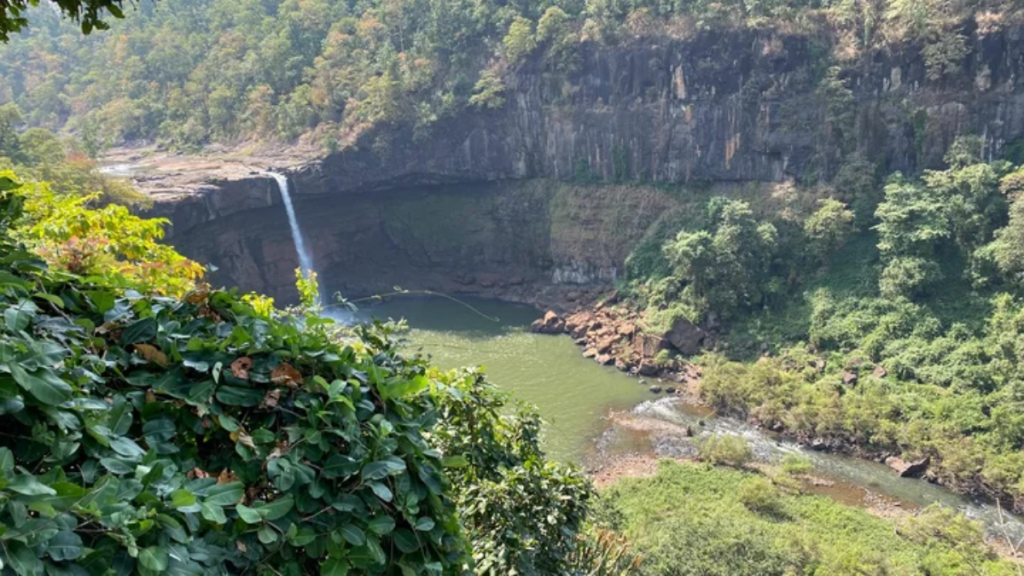
One of the most rewarding treks from Mahal is the 8-km trail to Girmal Waterfalls one of Gujarat’s most impressive waterfalls, standing approximately 30 metres (100 feet) high. The trek passes through dense teak and bamboo forest, crossing multiple small streams. The falls are at their most spectacular from October to December when the monsoon has passed but the water volume remains high. The forest department has installed safety railings at key spots near the falls.
7. Tribal Village Visits
With a local guide and appropriate respect, visits to the tribal villages inside and around the sanctuary offer an extraordinary cultural experience. Watching the Bhil, Warli, and Konkana communities go about their daily lives farming, fishing, weaving in a landscape that has not changed dramatically in centuries is humbling and memorable. Evening visits when the Pavry and drums begin to play are the most atmospheric. Ask the campsite management to arrange a respectful village visit.
8. River Walks and Pampa Sarovar
Walking along the Purna River near Mahal is one of the most pleasant things to do in the sanctuary. The river is clear, cool, and lined with riparian vegetation that teems with bird life. Pampa Sarovar a river pool within the sanctuary is used by visitors for a careful dip or riverside picnic. Keep an eye on the water for the slender crocodiles that occasionally inhabit the deeper sections.
Also Read: Must-Visit Places in Gujarat: A Journey Through Culture and Heritage
Best Time to Visit Purna Wildlife Sanctuary
October to February -Best Season Overall
The post-monsoon and winter period is the ideal time to visit. The forest is lushly green from the monsoon rainfall, the rivers are flowing but manageable, and temperatures are cool and comfortable. Wildlife is most active in the mornings during this period mammals come to water sources and open areas in the cooler air, and birds are at maximum vocal and visual activity. January is the coldest month (average minimum around 10°C) and is also when the Dang Bird Festival takes place at Mahal Campsite.
January – Dang Bird Festival (Special Recommendation)
If birdwatching is a priority, plan your visit specifically around the Dang Bird Festival in January. With 1,500+ birders, expert guides, and specially arranged access to key habitats, this event elevates the entire Purna experience significantly. Check the Gujarat Forest Department website or contact the Dang Forest Division for the exact dates each year.
March to May – Summer Season
Temperatures rise through summer and the forest becomes drier. Water sources contract, which can actually improve wildlife sightings near the remaining water points. The teak trees lose their leaves in April–May, improving visibility through the forest. This is when the sanctuary receives more weekend visitors from Surat and surrounding cities. Manage your visit with early starts and late afternoon sessions.
June to September – Monsoon Season
The Dang district receives some of India’s heaviest monsoon rainfall and the forest transforms dramatically. Multiple waterfalls, including Girmal, are at their most spectacular. Forest roads become muddy and difficult a proper four-wheel-drive is essential and some sections may be impassable. The sanctuary may have limited operations. Contact the Forest Department before planning a monsoon visit. Those who make it report extraordinary scenes of mist, waterfall, and emerald forest.
How to Reach Purna Wildlife Sanctuary
| From | Distance | Mode | Approx. Time |
| Surat | ~130 km | Car (via Vyara–Ahwa–Mahal) | 2.5–3 hours |
| Vyara (nearest bus/rail hub) | ~20 km | Car / Taxi from Vyara | 35–45 minutes |
| Ahwa (Dang HQ) | ~25–30 km | Car / Taxi | 40–50 minutes |
| Vansda National Park | ~20 km | Car | 35–40 minutes |
| Saputara Hill Station | ~80 km | Car | 2 hours |
| Vadodara | ~300 km | Car (via Surat) | 5–5.5 hours |
| Ahmedabad | ~400 km | Car (via Surat/Vyara) | 6.5–7 hours |
| Surat Airport | ~130 km | Flight + Taxi | ~2.5–3 hours |
By Road – Private Vehicle (Strongly Recommended)
A private car or hired taxi is by far the best way to reach and explore Purna Wildlife Sanctuary. From Surat, take the highway towards Vyara, then continue on the road towards Ahwa (Dang district headquarters) and from there navigate approximately 25 to 30 km to Mahal village. Google Maps navigation to ‘Mahal, Dang’ is reasonably accurate for the main road.
A four-wheel-drive vehicle is highly recommended, especially during or after the monsoon when forest roads can be rough and muddy. The roads through the Dang forest are generally scenic and in acceptable condition during the dry season but require a steady pace. Allow extra time for the final stretch from Ahwa to Mahal.
By Rail – Vyara is the Gateway
The nearest railway station to Purna Wildlife Sanctuary is Vyara, on the Western Railway network, approximately 20 km from the sanctuary. Trains from Surat and Mumbai stop at Vyara. From Vyara, hire a local taxi for the 20 km drive to the sanctuary boundary or continue to Mahal village (~20 km from Vyara).
Public Transport Warning
Regular public bus or auto services do not run directly to Mahal village or the sanctuary entrance. There is no practical public transport option for visiting Purna Wildlife Sanctuary. Either bring your own vehicle or arrange a private taxi from Vyara or Ahwa. Do not attempt the journey by two-wheeler the forest roads are not suitable and two-wheelers are not permitted inside the sanctuary.
Nearby Attractions to Combine with Purna Wildlife Sanctuary
- Girmal Waterfalls – Within the sanctuary, ~8 km trek from Mahal | Gujarat’s largest waterfall at approximately 30 metres. Spectacular October to December. Forest department safety railings installed.
- Chimer Waterfalls – Near Dang | Another impressive waterfall in the Dang region, perched on a hillside. One of the area’s higher falls. Less visited than Girmal genuinely off the beaten path.
- Vansda National Park – ~20 km south | Gujarat’s other major protected forest, in Navsari district. Smaller (24 sq km) but with a more structured entry process. Home to the critically endangered Forest Owlet. Read our full guide on TravelRoach.
- Gira Waterfalls (near Waghai) -~30–40 km | One of Gujarat’s most popular waterfalls — 300 metres wide during monsoon. Near Waghai town on the Vansda-Saputara route. Read our full guide on TravelRoach.
- Saputara Hill Station — ~80 km | Gujarat’s only hill station. Lake, ropeway, tribal museum, trekking trails, and a wide range of accommodation. Best 2-night base for a Dang circuit trip.
- Ahwa and Dang Durbar — ~28 km | Dang district headquarters. The annual Dang Durbar festival during Holi week (Feb–March) is one of Gujarat’s most extraordinary tribal cultural events thousands of Adivasi community members gather for dance, music, and celebration.
- Shabari Dham Temple, Subir -~25 km on Ahwa–Navapur Road | A significant pilgrimage temple in the heart of the Dang region. The setting — deep forest, riverside — adds to the spiritual character.
Where to Stay Near Purna Wildlife Sanctuary
Mahal Eco Campsite (Inside Sanctuary — Best Experience)
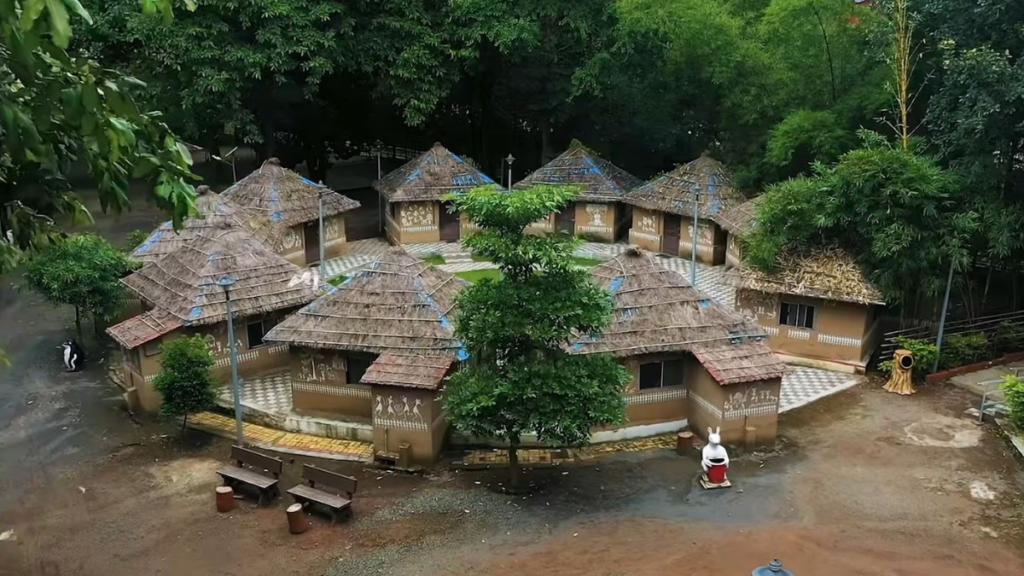
The Forest Department’s Mahal Eco Campsite on the banks of the Purna River is the most immersive accommodation option. Tents and cottages are available for 1 to 3-night stays. Book through the Gujarat Forest Department at forests.gujarat.gov.in or by calling the Dang Range Forest Office. Confirm availability before travelling as the campsite was recently renovated and booking procedures may have changed.
Mahal Village (Basic, Comfortable)
A few small hotels and guesthouses in Mahal village offer basic but clean accommodation. These are primarily used by birdwatchers and researchers who want to be close to the forest with access to their own kitchen. Limited but functional.
Dang Forest Retreat (~20 km, Premium)
Near Vansda National Park on the Ambika River, this eco-lodge offers six designed rooms with activities including birdwatching, safaris, craft workshops, and bush dinners. From approximately ₹6,500 per night with breakfast. Pre-booking essential. Ideal for those combining Purna and Vansda.
Saputara (~80 km, Widest Choice)
Saputara hill station has the widest range of hotels, GTDC cottages, and resorts in the region. Good road connectivity makes it practical as a base for day trips to Purna though 80 km means an early start. Better suited for a 2-day trip incorporating both Purna and Saputara attractions.
Food and Local Produce at Purna
Food options near the sanctuary itself are limited. There is no cafeteria inside the Mahal campsite visitors should carry their own provisions or arrange meals through the campsite management with advance notice.
- Nagli (Ragi) – Biscuits Available at Mahal Campsite and recommended. Made from ragi (finger millet), the staple grain of the Dang region. Tasty, nutritious, and a genuinely local product.
- Nagli Rotla – Thick ragi flatbread available from village eateries and on request at the campsite. The authentic Dang staple.
- Wild Honey – Available from tribal vendors in the area. Collected from the Dang forest; deeply flavoured and distinctive.
- Bamboo Pickle (Bambu Athanu) – Available at Waghai market, ~30–40 km away. A Dang speciality worth buying in bulk.
- Ahwa Town – ~25–30 km from Mahal; the most practical location for a proper meal. Several dhabas and small restaurants serve Gujarati and local food.
Travel Tips for Purna Wildlife Sanctuary
- Carry all essentials – food, water, first-aid, torch, power bank. Facilities inside the sanctuary are minimal. The nearest shops are in Ahwa or along the Vyara highway.
- Private vehicle is essential – four-wheel-drive recommended, especially during and after monsoon. No public transport reaches Mahal.
- Start very early – 6 AM departures from your accommodation for maximum wildlife activity in the morning light.
- Walk slowly and quietly – the forest reveals itself gradually. Sudden noise or fast movement disperses wildlife and birds immediately.
- Carry binoculars and field guide – birdwatching is the primary wildlife experience here. A good pair of binoculars (8×42 or 10×42) transforms the visit.
- Plan for at least 2 nights – Purna is too remote to visit meaningfully in a half-day. A 2-night stay allows for early morning and late afternoon wildlife windows on both days, plus the trek to Girmal Falls.
- Arrange a local guide from Mahal village or the Forest Department – especially for night walks and deeper forest trails. Guides significantly improve wildlife and bird sightings.
- Visit in January for the Dang Bird Festival – the single best event for birdwatchers visiting South Gujarat.
- Respect tribal privacy – photograph tribal community members only with explicit permission. Engage with curiosity and respect, not intrusion.
- No plastic inside – carry a bag for your waste and take it back with you. The Dang forest is a protected and pristine environment.
Frequently Asked Questions (FAQs)
Purna Wildlife Sanctuary in Dang district is famous for having Gujarat’s thickest forest cover the highest forest density in the entire state. It lies in the North Western Ghats moist deciduous forest ecoregion and receives approximately 2,500 mm of annual rainfall, one of the highest in India. It is home to leopards, sloth bears, Indian bison, barking deer, sambar, chital, four-horned antelopes, and 139+ bird species including the Malabar Trogon, White-naped Woodpecker, and Crested Serpent Eagle. It is also celebrated for its deep tribal heritage and the annual Dang Bird Festival held at Mahal Campsite.
The entry fee for Purna Wildlife Sanctuary is approximately ₹200 per person. No prior permit is required for a standard nature walk or self-drive visit. The sanctuary is open from approximately 8:00 AM to 6:00 PM daily, subject to seasonal variation. Always confirm current fees and timings by contacting the Dang Range Forest Office or checking forests.gujarat.gov.in before your visit, as details can change.
No. Unlike most major Indian wildlife sanctuaries, Purna Wildlife Sanctuary does not have organised tourist safari buses or jeep convoys. Visitors explore the forest through self-drive in their own vehicles (four-wheelers only two-wheelers not permitted inside the sanctuary), guided nature walks arranged through the Mahal Campsite or local guides, and self-guided trails near Mahal village. This absence of organised crowds is one of Purna’s greatest attractions most visitors can expect to have the forest almost entirely to themselves, especially on weekdays.
The best time is October to February. Weather is cool and pleasant, wildlife is active during the morning hours, and all forest roads are accessible. January is particularly recommended because the annual Dang Bird Festival takes place at Mahal Campsite, drawing 1,500+ birdwatchers and offering specially guided access to key species habitats. Monsoon (June–September) produces spectacular waterfalls but road conditions can be very difficult. March to May is acceptable but increasingly warm.
From Surat, Purna Wildlife Sanctuary is approximately 130 km away — about 2.5 to 3 hours by road. Drive towards Vyara on the Ahmedabad–Surat highway, then continue north towards Ahwa (Dang district headquarters), and from Ahwa drive approximately 25 to 30 km further to Mahal village. Google Maps navigation to ‘Mahal, Dang’ is reasonably accurate. A private vehicle is essential — no public transport runs directly to Mahal. A four-wheel-drive is recommended, especially during or after the monsoon.
Yes. The Gujarat Forest Department maintains the Mahal Eco Campsite on the banks of the Purna River inside the sanctuary with tents and cottages available for 1 to 3-night stays. Overnight stays provide access to early morning and evening wildlife windows and campfire evenings that are among the most atmospheric experiences in South Gujarat. Book through forests.gujarat.gov.in or by calling the Dang Range Forest Office directly. Confirm current availability as the campsite underwent renovation in 2023.
The Dang Bird Festival is an annual birdwatching event held at Mahal Campsite in Purna Wildlife Sanctuary, typically in January. Organised by the Gujarat Forest Department and birdwatching organisations, the festival draws over 1,500 birders and ornithologists from across India. It features guided walks, live pond-watching sessions, expert lectures, and access to nesting sites and specialist bird habitats within the sanctuary. The festival is the single best opportunity in the year for experiencing Purna’s exceptional avifauna with expert guidance. Check the Gujarat Forest Department website for exact dates annually.
Final Thoughts
Purna Wildlife Sanctuary will not give you a tourist brochure experience. There is no welcome board with a cartoon leopard, no gift shop selling tiger mugs, no safari booking app. What it gives you instead is the forest itself ancient, dense, and genuinely wild and the extraordinary privilege of a landscape so few visitors reach that you can walk its trails in near-complete silence and feel, for a few hours, as though you are the only person in Gujarat.
The sounds you carry back from Purna are the real souvenir: the White-naped Woodpecker working at a tall teak in the morning mist, the barking deer’s alarm call across the Purna River at dusk, and the Pavry flute from a Dangi village drifting through the bamboo as the forest goes dark.
