On a quiet stretch of Gujarat’s coastline, Dandi Beach holds a place in Indian history far bigger than its size suggests. This is where Mahatma Gandhi’s Salt March came to its dramatic end in 1930, when he broke British colonial law by making salt from the Arabian Sea an act that helped ignite India’s independence movement. Today, Dandi combines a peaceful, uncrowded beach with a genuinely moving memorial museum, making it one of Gujarat’s most meaningful historical stops. This guide covers Dandi’s history, its museum, timings, and how to plan your visit.
The History of the Dandi Salt March
In 1930, the British colonial government held a monopoly on salt production, taxing and criminalising any local salt-making by Indian citizens a law that hit the poorest hardest. In protest, Mahatma Gandhi set out from Sabarmati Ashram in Ahmedabad on a 24-day march, covering roughly 240 miles (390 km), accompanied by a growing group of followers.
The march ended here at Dandi, where on 6 April 1930, Gandhi symbolically broke the salt law by picking up a lump of natural salt from the seashore, defying the British monopoly in full public view. The act was deliberately simple, but its impact was enormous it sparked the Civil Disobedience Movement, which spread rapidly across India and became a defining chapter in the country’s path to independence.
What to See at Dandi
Dandi Beach
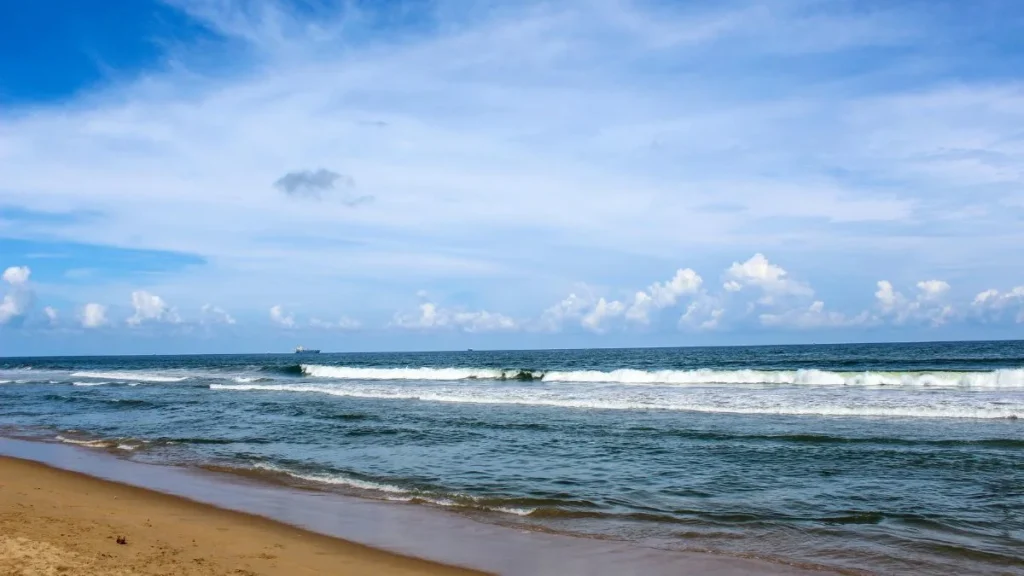
The beach itself is calm, relatively undeveloped, and genuinely peaceful a stretch of coastline that invites quiet reflection as much as casual sightseeing. Walking along the sand, it’s easy to picture the scene from nearly a century ago.
National Salt Satyagraha Memorial (Dandi Beach Museum)
Also known simply as the Dandi Beach Museum, this memorial was built to commemorate the Salt March in detail, taking visitors through a narrative journey of India’s freedom struggle, with a particular focus on the Salt Satyagraha. Recent updates (2025) have added new information boards, seating areas, and improved lighting, making the memorial more visitor-friendly than in past years.
Gandhi’s Dandi Residence
The heritage bungalow where Gandhi and his followers stayed during the Salt March has since been preserved, with parts of it now functioning as a small hotel and museum near the beach a tangible link to the events of 1930.
Timings and Entry Fee
- Beach: Generally open 6:00 AM to 6:00 PM (some sources note it’s accessible throughout the day with no strict hours check locally if visiting outside standard daylight times)
- National Salt Satyagraha Memorial (Museum): Typically 9:00 AM to 6:30 PM, closed on Tuesdays
- Entry fee: Free for both the beach and the memorial
- Time needed: Around 1.5–2 hours to cover the beach and museum at a relaxed pace
Best Time to Visit
October to February is the ideal window, with cool, pleasant weather well suited to walking the beach and spending time at the memorial. Sunrise and sunset are particularly recommended for the best light and atmosphere. Some visitors also enjoy the monsoon months (June–September) for the lush greenery around Dandi, though swimming isn’t advisable during this period due to stronger waves.
How to Reach Dandi Beach
By Train: Navsari Railway Station, on the Mumbai–Delhi route, is the nearest major station, roughly 16–23 km from Dandi depending on the route taken.
By Road: From Navsari, it’s about a 35–40 minute drive via Gujarat State Highway 182. Dandi is also reachable via National Highway 48 from Surat, Ahmedabad, or Mumbai.
By Air: Surat International Airport is the nearest, roughly 56–69 km away depending on the source.
Who Should Visit Dandi Beach
- History enthusiasts – a direct, tangible connection to one of the defining moments of India’s independence movement
- Families and students – genuinely educational, especially paired with the memorial museum
- Travellers seeking quiet, uncrowded beaches – Dandi remains far less commercialised than Gujarat’s more popular coastal spots
- Road trippers exploring South Gujarat – an easy addition to a Surat or Navsari itinerary
Where to Eat Near Dandi Beach
Dandi itself is a small village with limited dining options, so most visitors plan meals around Navsari town, which has a wider range of local Gujarati eateries. If you’re building a broader South Gujarat food trail, our guide to Surat’s must-visit food joints is worth checking, since Surat is a common base for visiting Dandi.
Other Places to Visit Near Dandi
- Dumas Beach – A popular black-sand beach near Surat, known for its scenic sunsets, food stalls, and lively evening atmosphere.
- Suvali Beach – A peaceful beach close to Surat, ideal for relaxing, photography, and enjoying a less crowded coastal experience.
- Laxmi Vilas Palace – One of India’s grandest royal palaces in Vadodara, showcasing magnificent Indo-Saracenic architecture, museums, and beautiful gardens.
- Sayaji Baug (Kamati Baug) – A historic public garden in Vadodara featuring a zoo, museum, toy train, planetarium, and lush green spaces for families.
- Statue of Unity – Located in Kevadia, this iconic monument dedicated to Sardar Vallabhbhai Patel offers breathtaking views, museums, a jungle safari, and the Valley of Flowers, making it one of Gujarat’s top tourist attractions.
Frequently Asked Questions (FAQs)
No, both the beach and the National Salt Satyagraha Memorial are free to visit.
It’s the site where Mahatma Gandhi’s 1930 Salt March ended, with Gandhi breaking British colonial salt law by making salt from seawater – an act that sparked the Civil Disobedience Movement across India.
The National Salt Satyagraha Memorial is generally open from 9:00 AM to 6:30 PM and closed on Tuesdays.
Distances range from roughly 16 to 23 km depending on the source and route, generally a 35–40 minute drive.
October to February offers the most comfortable weather. Some travellers also enjoy the lush greenery of the monsoon months (June–September), though swimming isn’t recommended then due to stronger waves.
Yes, Dandi is easily reachable from Surat by road, roughly 49 km away, making it a feasible day trip if you’re based in the city.
Final Thoughts
Dandi Beach offers something rare a quiet, unassuming stretch of coastline that quietly changed the course of Indian history. Between the peaceful shoreline and the thoughtfully built memorial, it’s a genuinely moving stop for anyone interested in India’s independence story. Planning your South Gujarat trip? Roach the road less traveled with us drop your questions in the comments and we’ll help you plan the rest of your itinerary!
