In 1879, a Maharaja gave his city a garden. Not a private garden. Not a royal garden restricted to the court. A public garden 113 acres of trees, lawns, and eventually museums, a zoo, a planetarium, a toy train, and a floral clock freely available to every resident of Vadodara, from the wealthiest merchant to the poorest labourer.
The Maharaja was Sayajirao Gaekwad III the same ruler who built Laxmi Vilas Palace, founded the Bank of Baroda, established free compulsory education, patronised Raja Ravi Varma, and gave Dr. B.R. Ambedkar his scholarship. The garden he gave his city carries his name: Sayaji Baug. Locals call it Kamati Baug. By any name, it is Vadodara’s green heart the anchor of the city’s public life, the default destination for morning walkers and school trips and weekend families and anyone who simply needs the particular comfort of trees and open space in a city.
This TravelRoach guide covers everything: the history, all the attractions inside the 113-acre complex (zoo, Baroda Museum, planetarium, toy train, floral clock, aquarium, health museum), entry fees for each, timings, how to reach, the best visiting strategy for families and solo travellers, and how to combine Sayaji Baug with Vadodara’s other remarkable attractions.
Sayaji Baug – Quick Information
| Detail | Information |
| Full Name | Sayaji Baug (also Kamati Baug) |
| Location | Sayajigunj, Vadodara (Baroda), Gujarat on the banks of Vishwamitri River |
| Nearest Landmark | Opposite Vadodara Railway Station area; near Kala Ghoda Chowk (~1 km from station) |
| Built By | Maharaja Sayajirao Gaekwad III gifted to the citizens of Vadodara |
| Year Established | 1879 |
| Area | 113 acres (~45.7 hectares) one of the largest public gardens in Western India |
| Attractions Inside | Zoo, Baroda Museum & Picture Gallery, Sardar Patel Planetarium, Joy Train, Floral Clock, Aquarium, Museum of Health and Hygiene |
| Garden Entry Fee | ~₹15–20 per adult (confirm at gate subject to revision) |
| Zoo Entry | Additional charges apply |
| Planetarium Shows | Additional charges apply; show timings vary |
| Toy Train Ride | Nominal additional charge |
| Baroda Museum Entry | Additional charges apply; closed Mondays |
| Garden Timings | Approximately 9:00 AM – 7:00 PM (morning walkers from ~6 AM) |
| Zoo Timings | 9:00 AM – 6:00 PM (check for any weekly holiday) |
| Museum Timings | 10:30 AM – 5:30 PM (closed Mondays) |
| Planetarium Shows | Multiple shows daily check current schedule at the planetarium counter |
| Zoo Animals | 1,000+ animals; lions, tigers, leopards, deer, primates; 122+ bird species; 10 reptile types |
| White Tigers | A pair of white tigers expected from Rajkot Zoo (announced November 2025) |
| Floral Clock | One of the first of its kind in Gujarat; fully functional; clock mechanism underground |
| Best For | Families with children, morning walkers, school groups, museum lovers, picnics |
| Distance from Vadodara Station | ~1 km (15 min walk or 5 min auto) |
| Distance from Laxmi Vilas Palace | ~3 km (~10 minutes by auto) |
| Distance from Vadodara Airport | ~5–8 km (~15–20 minutes) |
| Distance from Ahmedabad | ~110 km (~2 hours) |
The History of Sayaji Baug – A Maharaja’s Gift to a City
Maharaja Sayajirao Gaekwad III – The Man Who Gave Vadodara Its Garden
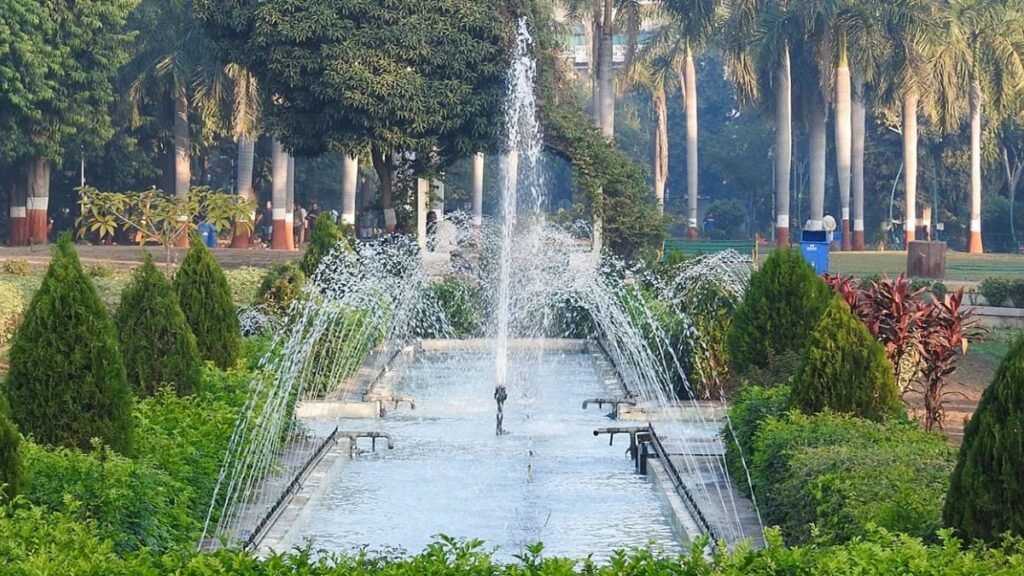
Sayaji Baug is inseparable from the story of the man who created it. Maharaja Sayajirao Gaekwad III is among the most extraordinary rulers in the history of princely India a progressive, cosmopolitan, reforming king whose vision for his state was decades ahead of contemporary practice. To understand the garden is to understand the man behind it.
In 1879, when Gaekwad III gifted the 113-acre garden to the citizens of Vadodara, he was making a deliberate statement about what a city owes its people. Not just roads and markets and administration but beauty, leisure, fresh air, and public green space. The idea that a garden of this scale and quality should be freely accessible to everyone merchants and labourers, scholars and children, residents of every community and class was genuinely progressive in 1879. Many cities did not achieve comparable public green space for decades, and some never have.
Sayaji Baug was only one of Gaekwad III’s contributions to Vadodara’s public life. He also built what would become the Maharaja Sayajirao University of Baroda, founded the Bank of Baroda, established the Baroda Central Library and its network of public libraries, constructed Laxmi Vilas Palace (four times the size of Buckingham Palace), and built the Baroda Museum and Picture Gallery which is, notably, housed within Sayaji Baug itself.
Also Read: Laxmi Vilas Palace, Vadodara
The Name – Sayaji Baug and Kamati Baug
The garden has two names in common use. The official name Sayaji Baug honours the Maharaja. The popular name Kamati Baug is used affectionately by Vadodara’s residents and appears on many local references, bus stops, and informal directions. The Kamati name is believed by some to derive from the administrative committee (samiti or committee) that managed the garden in earlier decades; by others it is associated with the local Kamati community. Both names are in active use and both are understood by any Vadodara auto driver or local.
The Vishwamitri River Setting
Sayaji Baug was laid out on the banks of the Vishwamitri River one of Vadodara’s most historically significant waterways. The river provides a natural visual backdrop to the garden’s western edge, and the combination of the mature trees, open lawns, and the river frontage creates the distinctive character of the park’s setting. The Vishwamitri River in Vadodara is also known for its resident population of mugger crocodiles visible from the riverbank and a characteristically Vadodara addition to what is otherwise a classic public garden experience.
What’s Inside Sayaji Baug – All the Attractions Explained
1. Baroda Museum and Picture Gallery – One of India’s Finest Regional Museums
The Baroda Museum and Picture Gallery is the crown jewel of Sayaji Baug’s intellectual and cultural offerings and one of the finest regional museums in India by any measure. Founded by Maharaja Sayajirao Gaekwad III and housed in a magnificent Indo-Saracenic building within the garden, the museum is nearly 130 years old and holds collections assembled by the Maharaja himself during his extensive travels in Europe and Asia.
The collections include:
- Ancient Indian art and sculpture – stone carvings and temple sculpture spanning multiple centuries and regional traditions of Indian art
- Mughal miniature paintings – a notable collection of the intricate, jewel-coloured paintings that represent one of India’s greatest artistic traditions
- European masters – works from the Gaekwad’s European collection, including paintings attributed to or associated with Raphael, Constable, and Reynolds; these represent the Maharaja’s global engagement with artistic traditions
- Chinese and Japanese ivory carvings – exquisite fine ivory work from both traditions, representing the finest decorative art of their respective periods
- The Egyptian Room with a Mummy – one of the most unusual and memorable exhibits in any Indian regional museum; an actual Egyptian mummy in an authentic Egyptian exhibit room
- Natural history specimens – an entire floor dedicated to stuffed and preserved wildlife from across the world; a Victorian-era natural history collection of the kind that few Indian institutions retain
- Asian sculpture from multiple regional traditions – Central Asian, Southeast Asian, and various Indian sub-traditions represented through the museum’s broader collections
The Baroda Museum is closed on Mondays. Allow at least 1.5 to 2 hours for a thorough visit. The building itself the Indo-Saracenic architecture of the museum’s main hall — is worth examining separately from the collections.
2. Sri Sayajibag Zoo – 1,000+ Animals on 15 Hectares
The zoo within Sayaji Baug -Sri Sayajibag Zoo occupies approximately 15 hectares of the park and is a significant zoological facility by any standard. With over 1,000 animals, 122 species of birds, and 10 types of reptiles, it offers genuine wildlife diversity in an urban setting. The zoo has undergone significant upgrades in recent years larger enclosures, a new aviary, improved animal habitats and the current standard of animal care is considerably better than the older Indian zoo model.
Key animals include: lions, tigers, leopards, various deer species, primates of multiple species, and a reptile house with alligators and gharials. The bird section includes 122 species, including the striking blue-crowned pigeon. As of November 2025, a pair of white tigers were announced to be arriving from Rajkot Zoo an addition that will make Sayaji Baug Zoo one of the few facilities in Gujarat with white tigers.
The zoo is the most popular attraction within Sayaji Baug for families with young children. Allow 1.5 to 2 hours for the full circuit. The zoo is at its most active in the cooler morning hours most animals are more visible and active from 9 to 11 AM than in the afternoon.
3. Sardar Patel Planetarium – The Sky Above Vadodara
The Sardar Vallabhbhai Patel Planetarium inside Sayaji Baug offers regular dome shows on astronomy, space science, and the natural world a genuinely educational experience that is both accessible and entertaining for visitors of all ages. Shows are presented in both Hindi and Gujarati. Multiple shows run throughout the day at specific times; check the current schedule and book your show timing at the planetarium counter on arrival or in advance.
The planetarium is popular with school groups and families and can be busy on weekends. Arriving at least 15 minutes before your preferred show time is recommended to ensure seating. The show content changes periodically -confirm the current programme at the planetarium.
4. Joy Train (Toy Train) – The Garden’s Most Beloved Ride
The Joy Train a narrow-gauge miniature train that loops through Sayaji Baug is possibly the most photographed and most emotionally resonant single attraction in the entire park. Not because it is technically impressive, but because it is the single experience that every Vadodara resident who grew up visiting Kamati Baug as a child associates most deeply with the place. The train whistles, the carriages rattle, the garden passes by at a comfortable pace, and the children lean out of the windows.
The Joy Train covers the main circuit of the garden, passing the zoo, the museum, the floral clock, and the open lawns a moving overview of the park that gives first-time visitors a good orientation before they explore on foot. The ride takes approximately 15 to 20 minutes for the full circuit. A nominal charge applies per person.
5. The Floral Clock – Gujarat’s Botanical Timekeeper
At the centre of Sayaji Baug stands one of its most distinctive and photographed features: the Floral Clock. Described as one of the first of its kind in Gujarat, the floral clock is exactly what it sounds like a fully functional working clock whose face is composed entirely of living flowers and plants, with the clock mechanism installed underground. The hands of the clock move. The time it displays is accurate. The face is a continuously maintained arrangement of flowering and non-flowering plants in appropriate colours and textures.
The floral clock is a popular photography stop and a genuinely charming piece of garden design the combination of the mechanical precision of timekeeping and the organic variability of living plants is an unusual and appealing one. The clock is maintained by the park’s gardening staff and the planting is changed seasonally to keep the face fresh and colourful.
6. Aquarium – Marine Life in the Garden
The aquarium within Sayaji Baug houses a range of freshwater and marine aquatic species in display tanks. For children who may not have seen many fish species up close, the aquarium is an engaging and educational stop on the Sayaji Baug circuit. A nominal additional charge applies.
7. Museum of Health and Hygiene
The Museum of Health and Hygiene is an educational facility presenting information on human health, medical science, and hygiene through models, exhibits, and displays. It is primarily of interest as an educational stop for school groups but provides informative content for all visitors. A separate admission may apply.
8. Open Gardens, Walking Tracks, and Lawns
Beyond all the specific attractions, Sayaji Baug is primarily a garden and the garden itself deserves appreciation on its own terms. The mature trees that shade the main paths are among the oldest in Vadodara, some of them over a century old. The lawns are extensive and well-maintained ideal for picnics, for sitting, for children playing, and for the simple pleasure of lying on the grass under a large tree.
The walking and jogging tracks through the garden are used by hundreds of Vadodara residents every morning from pre-dawn to 9 AM, the paths are busy with joggers, morning walkers, yoga practitioners, and elderly residents doing their daily constitutional. This morning energy the city waking up in its public garden is one of the most pleasant and most local experiences Sayaji Baug offers.
Also Read:Kalika Mata Temple, Pavagadh Hill
Visitor Guide – How to Plan Your Sayaji Baug Day
For Families with Young Children
Sayaji Baug is one of Vadodara’s finest family day-out destinations. The recommended sequence for families: Enter as early as 9 AM to catch the animals at their most active in the zoo. Spend 1.5 to 2 hours in the zoo. Take the Joy Train for the overview circuit (20 minutes). Visit the floral clock for the children’s photographs. Stop at the aquarium. Have lunch at one of the garden’s simple food stalls or at a nearby restaurant. Afternoon: Baroda Museum (if the children are of school age and interested) or simply sit on the lawn while younger children play. The planetarium show is ideal for children aged 7 and above.
For Morning Walkers and Fitness Enthusiasts
The best time to experience Sayaji Baug as the Vadodara locals experience it is between 6 and 8:30 AM on any weekday. The garden opens to walkers before the ticketed attractions open, and the atmosphere at this hour the paths busy with joggers, the bird sounds, the cool air, the dew on the lawns, the large trees forming canopies over the walking tracks is the version of Sayaji Baug that the city loves most intimately. No entry fee is typically required for early morning walking access (confirm current policy at the gate).
For Heritage and Museum Lovers
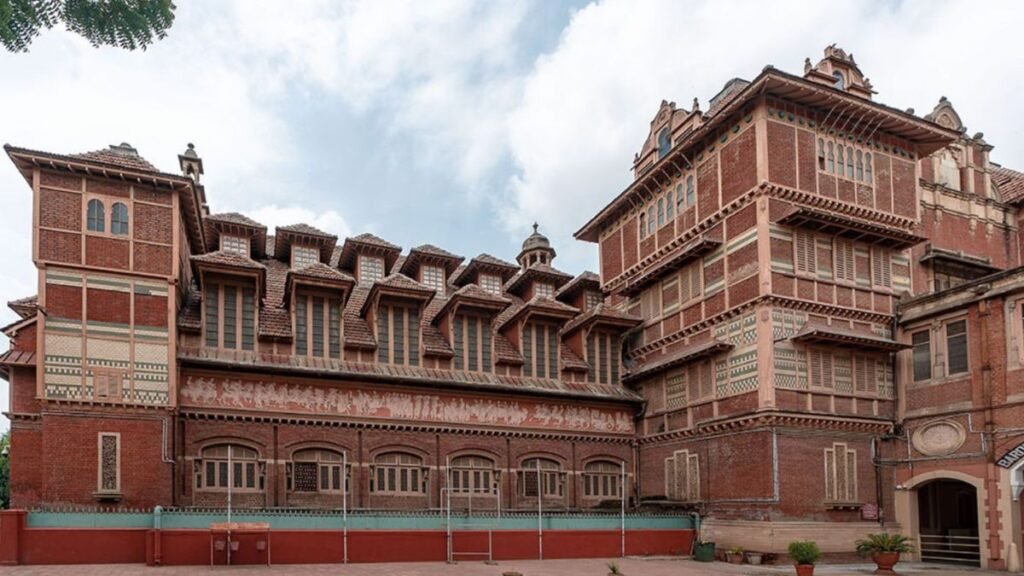
The Baroda Museum and Picture Gallery is the primary draw for visitors interested in art, history, and culture. It is best visited on its own terms without trying to combine it with the zoo and the train ride in the same morning session. The museum deserves 1.5 to 2 hours minimum. Combine it with the planetarium if you want a full intellectual day in Sayaji Baug. The walk through the garden between the two institutions is itself pleasant and provides natural breaks between museum-quality concentration.
For Solo Travellers and Casual Visitors
Sayaji Baug for a solo visitor on a first Vadodara visit is best experienced in a 2 to 3 hour circuit: Joy Train for orientation, a walk through the garden with stops at the floral clock, a visit to the museum (at least 45 minutes), and sitting somewhere quiet under a large tree. This gives you the core experience of the garden without exhausting everything it offers leaving room to return for the zoo or the planetarium on a subsequent visit if you are spending more time in Vadodara.
Best Time to Visit Sayaji Baug
October to March – Best Season
The winter months are the most comfortable for an extended visit to Sayaji Baug. Vadodara temperatures from October to February range from 15 to 28 degrees Celsius pleasant for the outdoor walks, the zoo circuit, and extended sitting on the garden lawns. The morning light on the museum building and the garden trees in November and December is particularly beautiful. This is also the most active period for the zoo animals, who are more mobile and visible in the cooler air.
April to June – Hot, Morning Visits Only
Vadodara summer can be intense temperatures exceeding 40 degrees Celsius from April onward. The open lawns and the zoo circuit are uncomfortable in the afternoon heat. If visiting in summer, plan exclusively for the morning session: arrive by 8:30 to 9 AM and complete your outdoor activities by 11 AM. The museum and planetarium provide air-conditioned or shaded indoor alternatives for the hotter middle hours.
Monsoon (July to September) – Green but Wet
The monsoon transforms Sayaji Baug visually the lawns become intensely green, the trees are lush, and the garden has a fresh, rain-washed quality. The garden is accessible in the monsoon (unless flooding is severe) but outdoor activities are weather-dependent. The museum and planetarium are good options in monsoon weather. The floral clock and formal garden areas are at their most vibrant in the post-rain moisture of the monsoon period.
How to Reach Sayaji Baug, Vadodara
| From | Distance | Mode | Approx. Time |
| Vadodara Railway Station | ~1 km | Walking (15 min) / Auto (~5 min) | 5–15 minutes |
| Vadodara Airport | ~5–8 km | Taxi / Auto | 15–20 minutes |
| Laxmi Vilas Palace | ~3 km | Auto-rickshaw / Taxi | 10 minutes |
| Baroda Museum (within Sayaji Baug) | In the park | Walking | 5–10 min walk inside |
| Ahmedabad | ~110 km | Car / Train to Vadodara + walk/auto | 2+ hours |
| Surat | ~155 km | Car / Train + local | 2.5–3 hours |
Within Vadodara
Sayaji Baug is in the Sayajigunj area of Vadodara, approximately 1 km from Vadodara Railway Junction. It is one of Vadodara’s most centrally located major attractions effectively walkable from the station for most visitors. Vadodara is also a well-connected railway city on the main Mumbai-Delhi and Mumbai-Ahmedabad rail corridors, making it easy to reach from most major Gujarat and national rail destinations.
Entry Fees at Sayaji Baug – All Attractions
| Attraction | Approx. Entry Fee | Notes |
| Main Garden Entry | ₹15–20 per adult | Free for early morning walkers; confirm gate policy |
| Sri Sayajibag Zoo | Additional ₹15–30 | Check current rate at zoo entry |
| Baroda Museum & Picture Gallery | Additional ₹30–50 | Closed Mondays; allow 1.5–2 hours |
| Sardar Patel Planetarium | Additional ₹30–50 per show | Multiple shows daily; check timings |
| Joy Train Ride | Additional ₹10–20 per person | Nominal; popular with children |
| Aquarium | Additional ₹10–20 | Nominal charge |
| Museum of Health and Hygiene | Additional charge | Confirm at counter |
All fees listed are approximate and subject to revision. Confirm current rates at the respective entry counters inside the park. The total cost of a full Sayaji Baug experience garden entry, zoo, museum, planetarium show, and Joy Train is modest by any standard.
Also Read: Best Restaurants in Vadodara
Nearby Attractions to Combine with Sayaji Baug
- Laxmi Vilas Palace ~3 km | The extraordinary royal palace four times the size of Buckingham Palace, built by the same Maharaja Sayajirao Gaekwad III who gifted Sayaji Baug to the city. The palace and the garden together represent the two faces of his legacy: royal grandeur and public generosity. Read our full TravelRoach guide.
- EME Temple (Dakshinamurti Temple) ~3 km | The unique Indian Army temple with an aluminium spire — one of Vadodara’s most visually unusual monuments. A quick stop near Sayaji Baug on the same day.
- Champaner-Pavagadh Archaeological Park ~47 km | UNESCO World Heritage Site with 15th-century Islamic architecture and the Kalika Mata Temple on Pavagadh Hill. An extraordinary day trip from Vadodara.
- Vadodara Old City Heritage Walk City centre | The older lanes of Vadodara around Mandvi area offer traditional haveli architecture, Baroda-era buildings, and the MSU (Maharaja Sayajirao University) campus.
- Makarpura Palace ~7 km | Another Gaekwad palace now used by the National Cadet Corps. The exterior and grounds are worth a drive-past.
Practical Tips for Visiting Sayaji Baug
- Wear comfortable walking shoes – the garden is 113 acres and a full visit covering the zoo, museum, and garden circuits involves significant walking. Flat, comfortable shoes are essential.
- Arrive by 9 to 9:30 AM – this puts you at the zoo when animals are most active and at the museum before the midday visitor peak. Morning visits are consistently more rewarding than afternoon visits.
- The Joy Train is a good starting point – take the train circuit first for orientation before exploring on foot. It covers most of the major attractions and helps you prioritise.
- The Baroda Museum deserves a dedicated visit – do not rush through it as an afterthought to the zoo. Allow at least 1.5 hours for the museum, which is one of India’s finest regional collections and the most intellectually rich attraction in the garden.
- Planetarium show timings vary – check at the planetarium counter on arrival and plan your overall garden itinerary around the available show times.
- Carry snacks and water – the garden has simple food stalls but nothing elaborate. Families spending a full day should carry sufficient water and a light meal. Formal restaurants are available outside the garden in the Sayajigunj area.
- The museum is closed on Mondays – plan your visit for Tuesday to Sunday if the Baroda Museum is on your list.
- Good for a full family day – Sayaji Baug can easily occupy 4 to 5 hours for a family with children covering all the attractions. Budget your time accordingly.
Frequently Asked Questions (FAQs)
Sayaji Baug also known as Kamati Baug is a 113-acre public garden in Vadodara (Baroda), Gujarat, built in 1879 by Maharaja Sayajirao Gaekwad III as a gift to the citizens of his city. It is one of the largest public gardens in Western India and houses a diverse range of attractions including the Sri Sayajibag Zoo (1,000+ animals), the Baroda Museum and Picture Gallery (one of India’s finest regional museums, with an Egyptian room containing a real mummy), the Sardar Patel Planetarium, a Joy Train that circuits the garden, a famous Floral Clock (one of the first of its kind in Gujarat), an aquarium, and a Museum of Health and Hygiene all within a single beautifully maintained campus.
The main garden entry fee is approximately ₹15 to ₹20 per adult (subject to revision; confirm at the gate). Each of the specific attractions within the garden the zoo, the Baroda Museum, the planetarium, the Joy Train, and the aquarium has its own separate nominal admission charge. The total cost of a comprehensive Sayaji Baug visit covering all major attractions is affordable by any standard. Early morning walking access (before the main attractions open) may be free; confirm the current policy at the garden gate.
Sayaji Baug garden is generally open from approximately 9:00 AM to 7:00 PM (morning walkers from approximately 6 AM). The zoo operates from 9:00 AM to 6:00 PM. The Baroda Museum is open from 10:30 AM to 5:30 PM and is closed on Mondays. The planetarium has multiple daily shows check the current schedule at the planetarium counter on arrival. The Joy Train operates throughout the main garden hours. Confirm current operating days and hours at the gate before visiting, as schedules may vary during public holidays and festival periods.
Sri Sayajibag Zoo houses over 1,000 animals from diverse species. Key animals include lions, tigers, leopards, various deer species, and primates. The bird section has 122 species including the blue-crowned pigeon. The reptile section includes 10 types including alligators and gharials. As of November 2025, a pair of white tigers was announced to arrive from Rajkot Zoo check current status on arrival. The zoo has recently undergone significant upgrades including larger enclosures and a new aviary. The animals are most active and visible during the cooler morning hours from 9 to 11 AM.
The Baroda Museum and Picture Gallery, housed in a magnificent Indo-Saracenic building within Sayaji Baug, is one of India’s finest regional museums — nearly 130 years old and founded by Maharaja Sayajirao Gaekwad III. The museum is famous for: its Egyptian Room containing an actual Egyptian mummy (one of the most unusual exhibits in any Indian regional museum); its collection of Mughal miniature paintings; European paintings from the Gaekwad’s personal collection including works associated with Raphael, Constable, and Reynolds; an entire floor of Victorian-era natural history specimens; Chinese and Japanese ivory carvings; and ancient Indian sculpture from multiple traditions. Allow at least 1.5 hours. Closed Mondays.
Sayaji Baug is approximately 1 km from Vadodara Railway Junction effectively walkable for most visitors (15 minutes on foot) or a very short auto-rickshaw ride (5 minutes, approximately ₹40 to ₹60). From the station, head toward Kala Ghoda Chowk and follow the main road westward toward the garden entrance. The garden is well-signed and all Vadodara auto drivers and locals know it immediately by either name (Sayaji Baug or Kamati Baug).
Yes – Sayaji Baug is entirely capable of occupying a full day, particularly for families with children. A full-day itinerary would include: morning zoo visit (9 to 11 AM, when animals are most active); Joy Train circuit for orientation (30 minutes); floral clock and garden walk (45 minutes); lunch at garden stalls or a nearby restaurant; afternoon Baroda Museum (1.5 to 2 hours); planetarium show (1 hour); and a final garden walk or sitting on the lawn in the late afternoon. This programme covers the complete Sayaji Baug experience and easily fills 4 to 5 hours.
Final Thoughts
Sayajirao Gaekwad III built a palace for himself that is four times the size of Buckingham Palace. And then he built a garden for his city and made it free.
Sayaji Baug is the more important of these two acts. The palace is an expression of royal power and aesthetic ambition extraordinary by any standard. The garden is an expression of a different idea entirely: that a city’s finest spaces should belong to everyone who lives in it, regardless of wealth or caste or connection.
The morning walkers who use the Sayaji Baug paths every day before the attractions open are continuing a 145-year-old habit of a city that has always known its garden belongs to it. The children on the Joy Train are in the same carriages where their parents and grandparents rode. The Egyptian mummy in the museum has been alarming schoolchildren for a century. The floral clock keeps time for no particular reason except that flowers and time are both beautiful.
If Laxmi Vilas Palace is Vadodara’s royal crown, Sayaji Baug is its beating green heart. Both were given by the same man. Which was the greater gift is a question each visitor gets to answer for themselves.
