Rising across the Narmada River near Kevadia’s Ekta Nagar township, the Sardar Sarovar Dam is one of India’s most ambitious engineering achievements and a natural add-on to any Statue of Unity trip, sitting just 3 km away. Named after Sardar Vallabhbhai Patel, this dam supplies water and power to four states and remains one of the largest concrete dams on earth. This guide covers its history, viewpoint timings, entry rules, boating options, and how to plan your visit.
A Brief History of Sardar Sarovar Dam
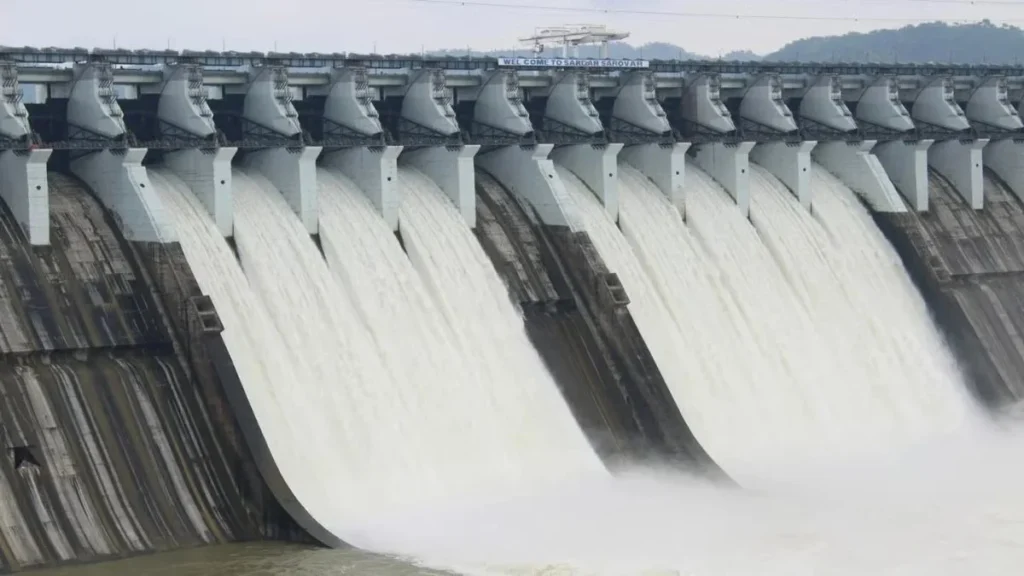
The dam’s story stretches across more than five decades. Its foundation stone was laid in 1961 by Prime Minister Jawaharlal Nehru, as part of the broader Narmada Valley Development Plan. Actual construction didn’t begin until 1979, and the project went on to become one of India’s most debated infrastructure undertakings celebrated for the irrigation, drinking water, and hydroelectric power it would eventually provide, while also drawing national and international attention over the displacement of local communities and environmental concerns along the way.
After decades of construction and phased height increases, the dam was formally inaugurated in September 2017 by Prime Minister Narendra Modi. Today it supplies water to Gujarat, Maharashtra, Madhya Pradesh, and Rajasthan, and is central to the identity of Ekta Nagar (Kevadia) as a modern riverfront tourism hub, alongside the neighbouring Statue of Unity.
Also Read : Statue of Unity
Engineering Scale
Sardar Sarovar Dam is the world’s second-largest concrete gravity dam by volume, and the third-highest concrete dam in India. A few numbers worth knowing before you go:
- Length: Approximately 1.2 km
- Height: Around 163 metres
- Water supply capacity: Roughly 30.7 lakh cusecs at full flow
- States served: Gujarat, Madhya Pradesh, Maharashtra, and Rajasthan
Standing at one of the viewpoints, the scale is genuinely hard to process a vast sweep of reservoir on one side, the dam’s sheer concrete face on the other, framed by the Vindhya and Satpura hill ranges.
What to Do at the Dam
Viewpoints and Viewing Gallery
Most visits centre on designated viewpoints and a raised viewing gallery offering panoramic views of both the dam face and the reservoir. Photography is generally allowed in these public areas.
Boating on the Reservoir
A boat ride on the reservoir, sometimes called the Ekta Cruise, is one of the most popular add-ons a roughly 45-minute ride offering a different vantage point of the dam and the surrounding Shoolpaneshwar Wildlife Sanctuary landscape. Boating tickets are booked separately and typically cost around ₹400+ per adult, with young children often admitted free.
Guided Dam Tours
The dam authority offers guided tours from the reception area covering points like the garden, the foundation stone, the first lock gate, and a boating lake a good option if you want context beyond just the view.
Also Read : Zarwani Waterfall, Narmada
Spillway Watching (Monsoon Only)
During monsoon, when reservoir levels are high, the dam’s spillway gates may be opened to release water a dramatic, misty spectacle if you happen to catch it. This isn’t guaranteed on any given day and depends entirely on reservoir management.
Timings and Entry
- Viewpoint hours: Generally around 8:00/8:30 AM to 5:30/6:00 PM, broadly aligned with Statue of Unity campus hours
- Entry fee: As of now, there’s typically no separate fee to view the dam from general public viewpoints, though charges may apply for specific viewing zones or activities like boating carry a valid photo ID either way
- Security note: The dam falls under a security-sensitive zone, and visitors are usually required to pass through a checkpost and carry an entry pass while inside the permitted viewing route; only designated one-way tracks are open to tourists
- Time needed: Budget 1 to 2 hours, more if you’re adding boating or a guided tour
Best Time to Visit
October to February is the ideal window, with clear skies, cool weather, and the best visibility across the reservoir and hills. Monsoon (July–September) has its own appeal if the spillway happens to be releasing water the valley turns green and the atmosphere is dramatic, though it’s also wetter and windier underfoot. Summers (March–June) tend to be quite hot for extended outdoor viewpoint time.
How to Reach Sardar Sarovar Dam
By Train: Kevadia Railway Station, directly connected to Ahmedabad, Vadodara, and Mumbai, is the nearest station about 3–5 km from the dam complex.
By Road: The dam is reachable via state highways and well-maintained district roads. From Kevadia town, taxis, auto-rickshaws, and shuttle buses handle last-mile connectivity within the tourism zone.
By Air: The nearest airport is Vadodara, roughly 85–95 km away; from there, it’s about a 2-2.5 hour drive via NH 47/SH 6.
Who Is This Visit Best For?
- Engineering and infrastructure enthusiasts – few sites in India showcase large-scale river development on this scale
- Statue of Unity travellers – an easy, natural add-on given the 3 km distance
- Nature lovers – the reservoir, boating options, and surrounding Vindhya-Satpura landscape make for a scenic half-day
- Families – flat, walkable viewpoints and a boat ride make it manageable for most age groups, though very young children should be watched closely near water areas
Where to Eat Near Sardar Sarovar Dam
Most dining options are concentrated around Kevadia (Ekta Nagar) town and the Statue of Unity complex, ranging from food courts to local Gujarati thali counters. If you’re combining this trip with other parts of the state, our Ahmedabad food guides are useful for planning a broader Gujarat food trail: check out famous foods in Ahmedabad and best street food in Ahmedabad for more classic flavours worth trying along the way.
Also Read : Kalika Mata Temple, Pavagadh Hill
Other Places to Visit Nearby
- Statue of Unity – the world’s tallest statue, honouring Sardar Vallabhbhai Patel, just 3 km away
- Shoolpaneshwar Wildlife Sanctuary – visible from the boating route, home to diverse flora and fauna
- Zarwani Waterfall – a scenic seasonal waterfall in the surrounding hills
- Valley of Flowers, Kevadia – a landscaped garden popular with photographers
- Narmada Tent City – a good overnight option if you want to extend your Kevadia trip
Frequently Asked Questions (FAQs)
Generally, there’s no separate fee to view the dam from the public viewpoints, though some viewing zones or add-on activities like boating are ticketed separately. It’s worth checking current rates locally, since access rules can change based on security considerations.
Viewpoints are typically open from around 8:00/8:30 AM to 5:30/6:00 PM, broadly aligned with Statue of Unity campus timings. It’s best to confirm exact hours before your visit, as they can shift with security or maintenance schedules.
The dam is just about 3 km from the Statue of Unity, making it an easy same-day add-on for anyone visiting the statue and the wider Ekta Nagar tourism zone.
Yes, a roughly 45-minute boat ride on the reservoir is available as a separate ticketed activity, offering a different view of the dam and surrounding Shoolpaneshwar Wildlife Sanctuary landscape.
Its foundation stone was laid by Jawaharlal Nehru in 1961, with construction beginning in 1979. After decades of phased construction, it was formally inaugurated in 2017 by Prime Minister Narendra Modi.
Yes, the dam is a security-sensitive site. Visitors typically need to pass through a checkpost and carry an entry pass while within the designated visitor route, and only specific viewpoints are open to the public.
Final Thoughts
Whether you’re drawn by the sheer engineering scale, the boating experience, or simply pairing it with your Statue of Unity visit, Sardar Sarovar Dam is a rewarding stop on any Narmada Valley itinerary. Give yourself a couple of hours to take in the views and, if timing allows, catch the reservoir at its most dramatic during monsoon. Planning your Kevadia trip? Roach the road less traveled with us drop your questions in the comments and we’ll help you plan the rest of your visit!
