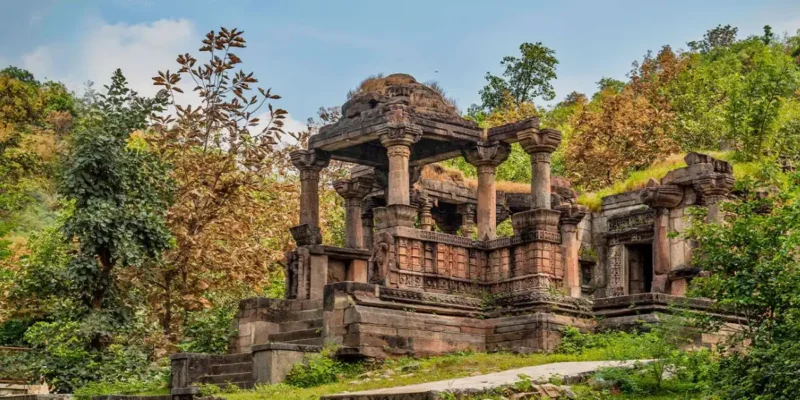
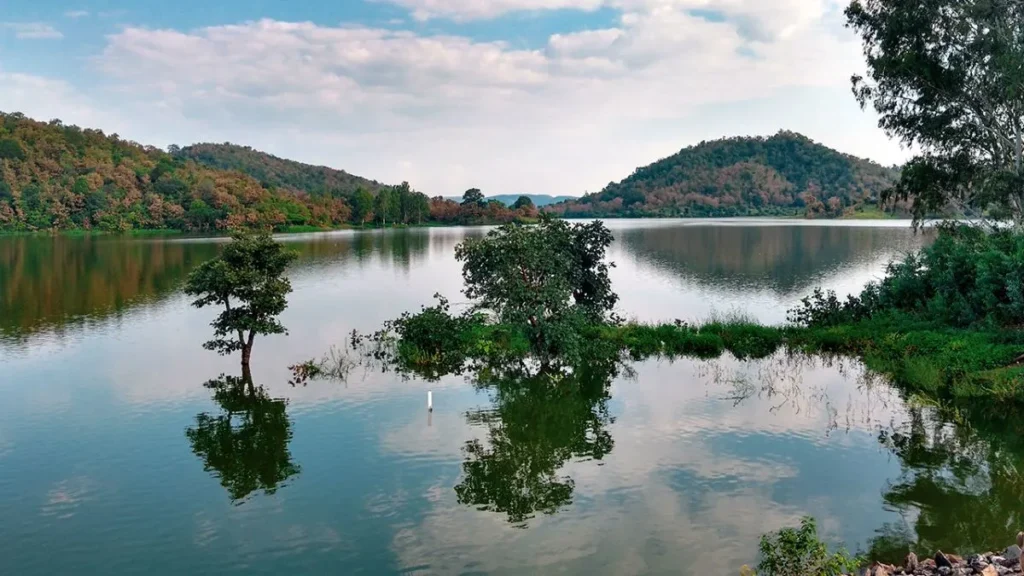
In the foothills of the Aravalli Range, roughly 150-160 km from Ahmedabad, Polo Forest offers something genuinely different from the rest of Gujarat’s tourist circuit a 400 sq km dry deciduous forest scattered with centuries-old temple ruins, cut through by the perennial Harnav River. Also known as Vijaynagar Forest, it’s become one of the state’s most popular weekend getaways for trekkers, campers, and history lovers alike. This guide covers Polo Forest’s history, what to see, timings, entry fees, and how to plan your visit.
A Brief History of Polo Forest
Polo Forest’s history stretches back to the 10th to 15th centuries, when the region served as a flourishing Spiritual Sites and trade centre. The name “Polo” is believed to derive from the Marwari and Gujarati word “pol,” meaning “gate” a reference to the forest’s role as a natural entry point into Rajasthan through the Aravalli hills.
The area’s temple ruins reflect this layered history, with the 14th-century Jain temple complex built by the Parihar dynasty, alongside Hindu shrines constructed across the same broad period. Remarkably, the ruins scattered through Polo Forest show influences from four different religious traditions Hinduism, Jainism, Buddhism, and Islam a genuinely rare architectural mix for a single forest region.
What to See in Polo Forest
Sharaneshwar Shiva Temple
Located near Abhapur village, this three-storey, 15th-century Shiva temple stands among the forest’s most striking ruins. Its exterior walls feature carvings of Yama, Bhairava, Brahma, Vishnu, Shiva, Indra, Parvati, Indrani, and Ganesha, along with scenes of everyday social life and processions of elephants and swans. Unusually, the Nandi statue sits on a pillar higher than the Shiva idol itself, a detail that particularly interests visitors.
Polo Jain Temples
A cluster of 14th-century Jain temples, built by the Parihar dynasty, sits at the foothills of the Aravalli range within the forest one of the clearest examples of the site’s multi-religious heritage.
Other Temple Ruins
Beyond the two main sites, the forest holds several other ruins worth exploring, including Sadevant Savlinga na Dera, Surya Mandir, and Lakhena na Dera most restored and maintained by the state archaeology department.
Harnav River and Vanaj Dam
The Harnav River runs through the forest, offering scenic river walks and swimming spots near the check dam by Polo Camp. Vanaj Dam, a central attraction in the wider Sabarkantha district, is especially striking during monsoon, when water flows visibly over the dam.
Trekking, Cycling, and Wildlife
Polo Forest is home to roughly 275 bird species, 30 animal species, and over 450 types of medicinal plants, making it a solid destination for birdwatchers and nature walkers alike. Trekking, cycling, and rock climbing are all popular here, and in January, Gujarat Tourism organises bicycle races as part of the annual Polo Festival, which also includes camping and adventure activities.
Timings and Entry Fee
- Timings: Generally 6:00 AM to 6:00 PM daily
- Entry fee: Mostly reported as free to walk into the forest; a few sources cite a nominal fee of around ₹30 per person confirm locally, since this can vary
- Additional charges: Camping, guided treks, and adventure activities are charged separately; e-rickshaws are available from the parking area for around ₹50 per person to reach individual sites
- Camping: The Polo Forest campsite, run by the forest department, requires prior booking through the district forest office; private resorts and campsites are also available just outside the forest boundary
Best Time to Visit
Sources vary slightly on the ideal window, but there’s broad agreement that July to February covers the best conditions overall:
- Monsoon (July–September): The forest turns lush and green, with waterfalls and the Harnav River at their fullest the most scenic period for photography
- Winter (October–February): Cool, dry weather ideal for camping, trekking, and comfortable full-day exploration
How to Reach Polo Forest
By Road: Polo Forest is about 150–160 km from Ahmedabad, roughly a 3.5 to 4-hour drive via Himmatnagar and Idar. The nearest town is Vijaynagar.
By Train: The nearest railway station is Idar, about 22 km away; Himmatnagar is also commonly cited as a nearby rail connection point.
By Air: Ahmedabad Airport is the nearest, given the forest’s distance from the city.
Who Should Visit Polo Forest
- Trekkers and campers – genuine forest trails, river access, and a proper forest-department campsite
- History and archaeology enthusiasts – a rare multi-religious cluster of temple ruins spanning several centuries
- Birdwatchers and nature lovers – 275+ bird species and dense medicinal plant diversity
- Weekend getaway seekers from Ahmedabad – a manageable day trip or overnight escape from the city
Where to Eat Near Polo Forest
Food options directly inside the forest are limited, mostly available through campsites and nearby resorts. Most visitors stock up on supplies in Himmatnagar or Idar before heading in. If you’re planning your trip around Ahmedabad, check out our guides to famous foods in Ahmedabad and best street food in Ahmedabad for what to grab before you set off.
Other Places to Visit Nearby
- Idar Fort – A historic hill fort surrounded by rocky landscapes and heritage sites.
- Ambaji Temple – One of Gujarat’s most important pilgrimage destinations, located in the Aravalli region.
- Shamlaji Temple – A revered Vishnu temple known for its religious significance and traditional architecture.
- Taranga Hill Jain Temple – A beautiful Jain pilgrimage site set amid the scenic Taranga Hills.
Frequently Asked Questions (FAQs)
Most sources report free entry to walk into the forest, though a few cite a nominal fee of around ₹30 per person. Camping, guided treks, and adventure activities are charged separately.
July to February covers the best overall window monsoon (July–September) for lush greenery and waterfalls, and winter (October–February) for cooler, drier trekking and camping conditions.
Polo Forest is about 150–160 km from Ahmedabad, roughly a 3.5 to 4-hour drive via Himmatnagar and Idar.
Yes, the forest department runs an official campsite that requires prior booking through the district forest office. Private resorts and campsites are also available just outside the forest.
Key sites include the 15th-century Sharaneshwar Shiva Temple, the 14th-century Polo Jain Temples built by the Parihar dynasty, and several smaller temple ruins including Sadevant Savlinga na Dera and Surya Mandir.
Both work, though an overnight stay lets you experience the forest’s camping, stargazing, and early-morning trekking conditions more fully. A day trip is feasible if you’re focused mainly on the temple ruins and river spots.
Final Thoughts
Polo Forest offers a rare combination in Gujarat genuine forest trekking, riverside camping, and centuries-old ruins from four different religious traditions, all within a few hours of Ahmedabad. Whether you’re chasing monsoon greenery or a cool winter camping trip, it’s a rewarding escape from the state’s usual tourist circuit. Planning your Sabarkantha trip? Roach the road less traveled with Travel Roach drop your questions in the comments and we’ll help you plan the rest of your itinerary!