Most Bird Sanctuaries make you drive for hours. This one is about a kilometre from Porbandar railway station.
Porbandar Bird Sanctuary is widely described as India’s smallest bird sanctuary a compact freshwater wetland sitting inside city limits, surrounded by traffic and houses, yet hosting something like 150 species of birds including flamingos, pelicans and spoonbills through the winter.
It’s an odd, wonderful thing: a working urban lake where you can watch flamingos wade at 7 AM and be back at your hotel for breakfast by nine.
This guide covers timings, entry, the best season and hours, what birds you’ll actually see, the watchtower, photography rules, what to carry, and how it fits into a Porbandar trip written for birdwatchers, photographers, families and anyone with a spare morning in the city.
Quick Facts: Porbandar Bird Sanctuary at a Glance
| Detail | Information |
| Location | Opposite Kamla Nehru Park, central Porbandar, Gujarat – 360575 |
| Notified area | Approx. 0.09 sq km (9.33 hectares) see note below |
| Established | 1988; under Forest Department control from 1990 |
| Protection | Listed under the Wildlife Protection Act, 1972 |
| Bird species | Around 150 recorded |
| Habitat | Small freshwater lake with surrounding trees and scrub |
| Timings | Approx. 6:00 AM – 6:00 PM daily (verify locally) |
| Entry fee | Free or nominal – reports conflict, so carry small change |
| Time needed | 1–2 hours |
| Best season | November to February |
| Distance from railway station | Approx. 1 km |
A Note on the Size Confusion
You’ll see “1 square kilometre” repeated across dozens of travel sites for this sanctuary. Treat it with suspicion.
The notified area is more credibly given as 0.09 sq km about 9.33 hectares. That’s roughly eleven times smaller than the widely copied figure, and it’s the number that makes the “India’s smallest bird sanctuary” claim actually make sense. A one-square-kilometre reserve wouldn’t be anywhere near the smallest in the country.
This matters practically too. At around nine hectares, you can walk the whole thing comfortably in an hour or two. Plan accordingly rather than blocking out half a day.
The Story: How a City Lake Became a Sanctuary
The sanctuary owes its existence largely to the naturalist Peter Jackson, who is credited as the driving force behind its protection.
It was declared a sanctuary in 1988, initially under the Porbandar municipality. In 1990 it passed to the Forest Department and was formally listed under the Wildlife Protection Act, 1972 by the Gujarat state government.
What makes it genuinely unusual isn’t the paperwork, though. It’s the geography. Most protected wetlands sit well outside settlements. This one is surrounded by a functioning city houses on the boundary, roads within earshot, everyday life carrying on a few metres from nesting waterbirds.
Think of it as Porbandar’s green lung, and as proof that a wetland doesn’t need wilderness around it to work.
What Birds Will You Actually See?
Around 150 species have been recorded here, with the winter months bringing the migratory crowd.
The Headliners
- Flamingos – the reason most visitors come, and the reason to arrive early
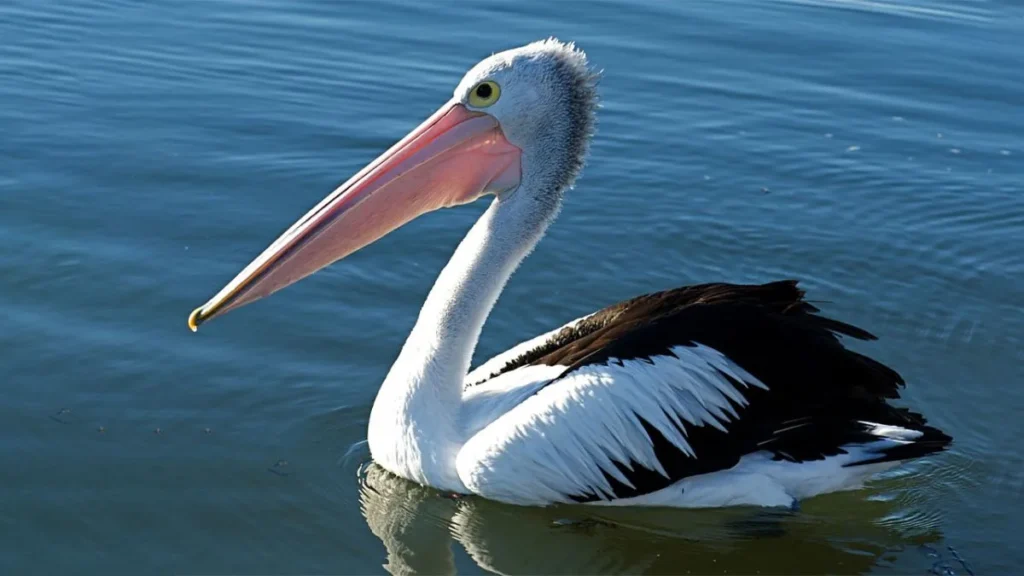
- Pelicans – large, unmistakable, best viewed from the watchtower
- Spoonbills and Ibis – distinctive feeders along the shallows
- Painted Storks and other storks
Waterfowl and Waders
- Ducks, geese and whistling teals
- Avocets, coots, grebes and jacanas
- Ruff and redshanks
- Cormorants, herons, egrets and bittern
- Cranes
Around the Edges
- Indian roller that flash of electric blue in flight
- Assorted resident passerines in the surrounding trees and scrub
Realistic expectation: Winter mornings give you the biggest numbers and the best variety. Outside the migratory season you’ll still see resident waterbirds, but the flamingo spectacle is seasonal. Don’t turn up in May expecting pink.
Visiting: The Practical Bit
Best Time of Day
Early morning is the answer Roughly 6:30–9:00 AM gives you active birds, soft light and cool air. Late afternoon, around 4:30 PM to closing, is the second-best window.
Midday is the worst possible choice birds are inactive, light is harsh and flat, and there’s limited shade.
The Watchtower
There’s an elevated watchtower on site, and it’s the single best vantage point for scanning the water. Wading birds along the far shore are much easier to pick out from height than from the bank.
The Walkway
A maintained walkway runs the perimeter, with bird identification signage along it. This makes the sanctuary genuinely good for children it turns a walk into a spotting game rather than a lecture.
What to Carry
- Binoculars – the single most important item. Without them you’ll see shapes, not birds
- Camera with zoom lens – a wide lens will disappoint you here
- Water and a hat – limited shade
- Small change – in case an entry or camera fee applies
- Patience – sit still for ten minutes and the birds come back
Sanctuary Rules to Follow
These are the posted expectations, and they’re worth respecting this is a small wetland where disturbance carries further than you’d think.
- No flash photography Ever.
- Don’t pluck or move vegetation to get a clearer shot Reposition the camera instead.
- No music systems or sound-making devices.
- Don’t pick plants or insects, or remove anything from the sanctuary.
- No sudden or quick movements they flush the birds and ruin the sighting for everyone.
- Keep voices low Groups are the main cause of disturbance here.
- Carry your litter out There’s a lake ecosystem underneath the picnic spot.
How to Reach Porbandar Bird Sanctuary
The sanctuary sits in the middle of Porbandar city, opposite Kamla Nehru Park, which makes it about as accessible as a protected wetland gets.
Within the City
From Porbandar Railway Station: roughly 1 km a short auto ride, or a walk if you don’t mind the heat.
From Porbandar bus stand / city centre: a few minutes by auto.
Any local auto driver will know it. It’s a landmark, not an obscure destination.
By Train
Porbandar Railway Station is roughly 1 km away, with connections to Rajkot, Ahmedabad and beyond.
By Air
Porbandar Airport is approximately 4 km from the sanctuary, with flights connecting to Mumbai and Ahmedabad. A ten-minute taxi ride.
By Road
- From Dwarka: approx. 100–110 km, around 2 hours
- From Jamnagar: approx. 145–160 km, roughly 3 hours
- From Rajkot: approx. 180–190 km, 3.5–4 hours
- From Somnath: approx. 190–200 km, around 4 hours
- From Ahmedabad: approx. 390–410 km, 7–8 hours
Best Time to Visit
November to February is the season, without much competition.
- November–February (Winter) – Peak migratory season. Maximum species count, flamingos present, comfortable weather for standing around with binoculars. This is when to come.
- October and March – Shoulder months. Fewer migrants, but pleasant and quiet.
- July–September (Monsoon) – The lake fills and looks green and alive, though birding is less predictable.
- April–June (Summer) – Hot, with the migratory birds gone. Resident species only. Go at 6:30 AM or skip it.
Where to Eat in Porbandar
Porbandar is a mid-sized coastal city, so you’ll eat well without trying hard.
Near the sanctuary – Nothing on site. There’s no canteen inside, so have breakfast before your morning session or bring something for afterwards.
Around the city centre – Gujarati thali restaurants and simple eateries within a few minutes’ drive. Unlimited veg thali typically runs around ₹250–450 for two.
Kathiawadi specialities – Look for bajra rotla with garlic chutney, sev tameta, kadhi and chhaas. Porbandar sits squarely in Kathiawad, and this is the region’s home cooking.
Coastal note – As a fishing port, Porbandar has seafood options, though the city’s food culture leans strongly vegetarian given its temple and Gandhian associations.
Chowpatty / Porbandar Beach – Evening snack stalls for chaat, bhajiya and roasted corn after sunset.
If you’re routing a wider Saurashtra trip, our best restaurants in Rajkot guide covers the biggest food city in the region, roughly 180 km away.
Places to Visit Near Porbandar Bird Sanctuary
| Place | Why Visit | Best For | Distance |
| Kirti Mandir | Mahatma Gandhi’s birthplace and memorial, beside the family haveli | Everyone | ~1–2 km |
| Sudama Mandir | Reportedly the world’s only temple dedicated to Sudama, Krishna’s friend | Pilgrims | ~2 km |
| Porbandar / Chowpatty Beach | Arabian Sea coastline and evening food stalls | Families, couples | ~2–3 km |
| Nehru Planetarium | Small city planetarium, good with children | Families | ~2 km |
| Barda Hills Wildlife Sanctuary | Forested hills with leopards, nilgai and raptors | Wildlife lovers | ~15 km |
| Ghumli | Ancient ruins and the Navlakha Temple at the foot of the Barda Hills | Heritage travellers | ~35 km |
Already planning wildlife in the area? Our Barda Hills Wildlife Sanctuary guide covers the bigger reserve just outside the city the two pair naturally into a single wildlife-focused day.
Suggested 1-Day Porbandar Plan
6:30 AM – Porbandar Bird Sanctuary, watchtower first, walk the perimeter.
8:30 AM – Breakfast in the city.
9:30 AM – Kirti Mandir and the Gandhi haveli.
11:00 AM – Sudama Mandir.
12:30 PM – Kathiawadi thali lunch.
2:30 PM – Drive out to Barda Hills, or rest through the afternoon heat.
5:30 PM – Sunset at Chowpatty Beach with snacks from the stalls.
Frequently Asked Questions (FAQs)
The sanctuary covers about 9.33 hectares (0.09 sq km), making it one of India’s smallest bird sanctuaries. You can explore it comfortably in one to two hours.
Entry fees may vary, and sources report different charges. Carry some small change and confirm the current fee at the entrance.
It is generally open from around 6:00 AM to 6:00 PM. For the best birdwatching experience, visit between 6:30–9:00 AM or after 4:30 PM.
You may spot around 150 bird species, including flamingos, pelicans, ibis, herons, egrets, cranes, storks and cormorants. Winter is ideal for migratory birds.
Yes. Its small size, walking paths, signage and watchtower make it a good family-friendly attraction. Encourage children to stay quiet around the birds.
Binoculars are highly recommended because many birds stay across the water or along the distant shore. A camera with a good zoom lens is also useful.
Final Thoughts
Porbandar Bird Sanctuary proves something worth noticing: you don’t need a jeep, a permit or a six-hour drive to watch flamingos in Gujarat. Around nine hectares of water in the middle of a working city supports roughly 150 species, and it’s about a kilometre from the railway station. Go at dawn in winter, bring binoculars, keep quiet, and give it a proper hour.
Have you spotted flamingos at Porbandar Bird Sanctuary? Tell us what you saw, which species you spotted, and when you visited in the comments. Your experiences and species lists can help make this guide more useful for everyone. Travel Roach welcomes your birdwatching stories and local tips!
