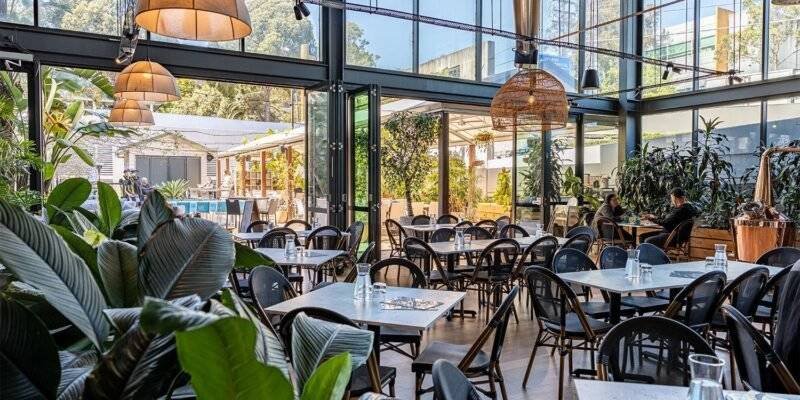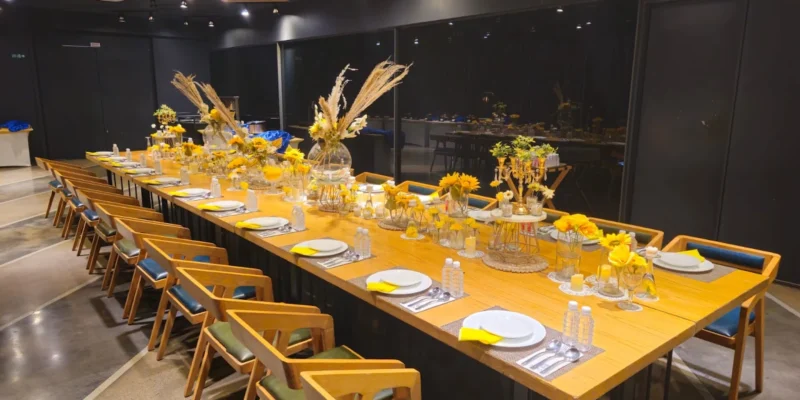
Over the past decade, fine restaurants in Rajkot have undergone a remarkable transformation. Once known primarily for its traditional Gujarati thalis and community-style dining, Rajkot is now redefining regional dining through premium hospitality, curated menus, and elevated culinary experiences.
Situated in the vibrant state of Gujarat, Rajkot has steadily evolved from a culturally rich commercial hub into an emerging fine dining destination. The city’s restaurant ecosystem reflects a larger shift — from functionality to experience, from tradition to innovation.
This transformation is not accidental. It is driven by rising disposable income, global exposure, hospitality investments, and a new generation of diners seeking ambience, exclusivity, and culinary artistry.
The Traditional Dining Foundation of Rajkot
To understand the rise of fine dining in Rajkot, one must first appreciate its culinary roots.
Rajkot’s food culture has historically been:
- Predominantly vegetarian
- Deeply influenced by Kathiyawadi flavors
- Centered around thali-style service
- Focused on community dining
Restaurants traditionally emphasized abundance over aesthetics. The value proposition was quantity, authenticity, and hospitality rather than plated presentation or curated experiences.
Establishments like The Grand Thakar elevated the traditional thali format into a premium yet culturally rooted dining experience. While not “fine dining” in the metropolitan sense, such restaurants laid the foundation for quality, hygiene, and structured service systems.
The Rise of Fine Dining in Rajkot
The last 8–10 years have witnessed a paradigm shift.
1. Changing Consumer Preferences
Younger diners and business professionals increasingly seek:
- Ambience-driven experiences
- Premium interiors
- Instagram-worthy presentations
- Diverse cuisine options
Dining is no longer just about food — it is about storytelling, design, and social positioning.
2. Influence of Metro Cities
Exposure to cities like Ahmedabad, Mumbai, and Delhi has shaped expectations. Rajkot residents now compare local establishments with metropolitan standards.
3. Hospitality Investments
Premium hotel properties and standalone luxury restaurants have entered the market, raising benchmarks for service quality.
One example is Fortune Park JPS Grand – Orchid Restaurant, which introduced structured fine dining standards, professional hospitality training, and curated menus into the city’s ecosystem.
A Foodie’s Guide to Ahmedabad: Top 10 Must – Try Foods and Famous Stalls
What Defines Fine Restaurants in Rajkot Today?
The definition of fine dining in Rajkot has matured. It now encompasses several key pillars:
1. Elevated Ambience
- Designer lighting
- Modern seating layouts
- Sound-controlled interiors
- Themed décor
Ambience now plays as critical a role as the menu.
2. Menu Engineering
Fine restaurants in Rajkot now emphasize:
- Curated selections rather than oversized menus
- Fusion elements
- Signature dishes
- Premium plating techniques
Restaurants such as Flavours Restaurant showcase this evolution through multi-cuisine innovation combined with contemporary presentation.
3. Professional Service Standards
Hospitality training, structured guest management, and faster response times are redefining service benchmarks.
4. Pricing Strategy
Fine dining in Rajkot typically ranges from ₹1500 to ₹3000 for two people — a significant jump from traditional dining formats. However, customers increasingly perceive value in ambience and service quality.
Benchmark Fine Dining Restaurants in Rajkot
While the market continues to evolve, certain establishments are shaping the city’s premium dining narrative.
The Grand Thakar
Although rooted in tradition, it demonstrates how structured operations and consistent quality can elevate regional cuisine into a refined experience.
Fortune Park JPS Grand – Orchid Restaurant
This restaurant represents international hospitality standards entering a regional market. It emphasizes:
- Buffet spreads
- Corporate dining setups
- Luxury interiors
- Premium pricing models
Flavours Restaurant
A bridge between family dining and fine dining, it reflects Rajkot’s transitional dining identity — offering diverse cuisine with upgraded ambience.
Emerging Trends in Rajkot’s Fine Dining Scene
1. Experiential Dining
Restaurants now focus on mood lighting, curated playlists, and sensory engagement.
2. Health-Conscious & Millet-Based Menus
With growing awareness around nutrition, restaurants incorporate:
- Jain-friendly options
- Low-oil preparations
- Gluten-free selections
3. Tech-Enabled Systems
QR menus, digital billing, and online reservation systems are becoming standard.
4. Social Media Integration
Instagram visibility significantly influences restaurant branding strategies.
Challenges in Elevating Regional Fine Dining
Despite rapid progress, certain challenges remain:
- Talent retention in hospitality
- Ingredient sourcing consistency
- Pricing sensitivity in tier-2 markets
- Balancing tradition with innovation
Rajkot’s market demands value-conscious luxury, not extravagance without substance.
Premium hotel-based restaurants and upscale multi-cuisine establishments currently define fine dining in Rajkot. These venues emphasize ambience, service, and curated menus.
Fine dining in Rajkot typically costs between ₹1500 and ₹3000 for two people, depending on cuisine and location.
Yes. Rajkot now offers several luxury restaurants that provide premium interiors, curated menus, and professional service standards.
Rajkot has a strong vegetarian culture, but many premium restaurants now offer multi-cuisine menus with diverse options.
Rajkot blends regional authenticity with evolving luxury standards. While not as expansive as metro cities, it offers value-driven premium experiences.
Conclusion: A City Redefining Its Culinary Identity
The evolution of fine restaurants in Rajkot reflects a broader socio-economic shift. What was once a city defined by traditional thali culture is now embracing curated menus, experiential dining, and premium hospitality.
Rajkot is not abandoning its roots — it is refining them.
For food enthusiasts, hospitality professionals, and investors alike, Rajkot presents a compelling case study in how regional cities redefine dining narratives without losing cultural authenticity. As consumer expectations rise and competition intensifies, the future of fine dining in Rajkot appears not only promising — but transformative.