Ask most people to name a waterfall in Gujarat and they will go quiet. Gujarat is not a state you associate with cascading water it is a state of salt flats, lions, garba, and gateways. And yet, in the deep south of Gujarat, where the land begins to rise into the northernmost reaches of the Western Ghats, the Dang district hides something extraordinary.
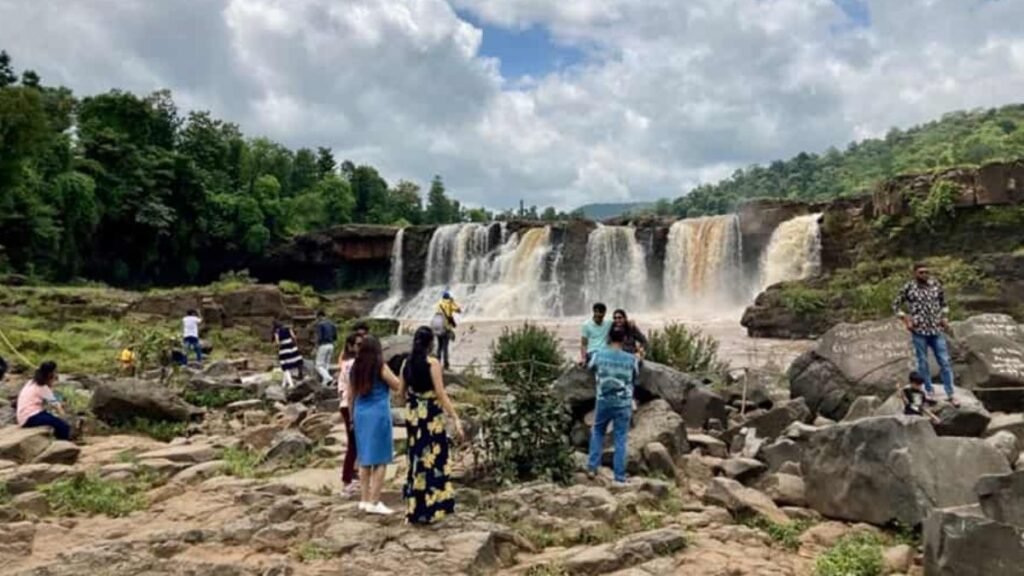
Gira Waterfalls known locally as Gira Dhodh or Giradudh is one of the most breathtaking natural sights in the entire state. A 30-metre cascade almost 300 metres wide, formed where the Khopari river meets the Ambika River and plunges off a rugged cliff into the forest below Gira Falls is exactly the kind of place that makes you reconsider everything you thought you knew about Gujarat.
This TravelRoach guide covers everything you need for a great visit what makes Gira Falls special, the best time to go, how to reach, entry details, what to eat and buy, nearby attractions, and practical tips to make the most of your trip to this incredible corner of South Gujarat.
Gira Waterfalls — Quick Information
| Detail | Information |
| Location | Near Wanarchod Village, ~5–6 km north of Waghai town, Dang district, Gujarat |
| Also Known As | Gira Dhodh, Giradudh, Gira Falls |
| Formed By | Khopari River confluence with Ambika River (Ambika River plunges off cliff) |
| Height | ~30 metres (approximately 75 feet) |
| Width | ~300 metres one of the widest waterfalls in Gujarat |
| Type | Seasonal waterfall active from monsoon (July) to approximately December |
| Entry Fee | ₹10 per person (nominal) |
| Parking | Available ~500 metres from the falls |
| Opening Hours | 9:00 AM – 5:00 PM |
| Best Season | July to October (peak flow); September to November (best balance of flow + safe conditions) |
| Worst Time | March to June minimal to no water (seasonal waterfall) |
| Distance from Waghai | ~5–6 km |
| Distance from Saputara | ~49–50 km (1.5 hours by road) |
| Distance from Surat | ~110–130 km (2.5–3 hours by road) |
| Distance from Ahmedabad | ~400+ km (6.5–7 hours by road) |
| Distance from Mumbai | ~250 km (4–5 hours by road) |
| Nearest Railway Station | Waghai Station (~6 km) Bilimora–Waghai narrow gauge line |
| Nearest Airport | Surat Airport (~117–121 km) |
| Swimming | NOT allowed plunge pool flow is dangerously strong |
About Gira Waterfalls – Gujarat’s Jewel in the Dang Forest
What Are the Gira Waterfalls?
Gira Waterfalls sit in the heart of the Dang district one of India’s smallest districts by area, but one of the greenest, with approximately 80% of its land covered in forest. The Western Ghats foothills that define this landscape are fed by heavy monsoon rainfall every year, and it is that water that transforms the Ambika River into something magnificent.
The falls are formed when the Khopari river merges into the Ambika River and the combined flow plunges approximately 30 metres off a natural cliff into the river valley below. What makes Gira unusual among Indian waterfalls is its width at nearly 300 metres across during peak monsoon season, it spreads in a wide, dramatic curtain of white water rather than a single narrow jet. Standing in front of it, you feel the mist on your face from a considerable distance, and the roar of the water is audible long before you reach the viewpoint.
The setting amplifies the beauty. The falls are framed on both sides by dense bamboo and teak forest, the classic Dang landscape of the northern Western Ghats. After the monsoon, the surrounding hillsides are intensely, almost impossibly green a sight that surprises every visitor from Gujarat’s drier districts.
About Dang District – Gujarat’s Tribal Forest Heartland
Dang is unlike any other district in Gujarat. It is small, deeply forested, and culturally distinct. About 80% of Dang’s land is under forest cover making it the greenest district in the entire state. The district is home to several Adivasi (tribal) communities including the Bhil, Warli, Dhanki, Kokni, and Gamit peoples, each with rich and distinct traditions of art, music, crafts, and seasonal festivals.
The most celebrated of these is the Dang Durbar a spectacular annual tribal festival held during Holi week (February to March) in Ahwa, the district headquarters. Thousands of tribal community members gather in traditional dress and ornaments for music, dance, and cultural performances. If your travel dates coincide, it is one of the most extraordinary cultural events in South Gujarat.
Gira Waterfalls is the district’s most visited natural attraction, drawing visitors from Surat, Mumbai, Vadodara, and Ahmedabad who combine it with a Saputara hill station trip or a Vansda National Park safari. Despite its growing popularity, Gira retains a raw, unhurried character a quality rare in more commercially developed waterfall destinations.
Also Read: Top Monsoon Destinations in Gujarat
Best Time to Visit Gira Waterfalls
July to September – Peak Monsoon (Maximum Flow)
This is when Gira Waterfalls is at its most dramatic. The Ambika River is full to capacity, the falls are at their widest (sometimes spreading beyond their usual 300 metres), and the surrounding forest is at its deepest green. The roar of the water during July and August is thunderous, and the mist created by the plunge pool drenches visitors even from the viewing areas behind the safety barriers.
However, peak monsoon also brings significant crowds on weekends, and the access road from Waghai can be narrow and slippery after heavy overnight rain. The water is powerful and dangerous no swimming under any circumstances. Visit on weekdays if possible during this window.
October to December – Best Balance of Flow and Safety (Highly Recommended)
October to December is arguably the most enjoyable time to visit Gira Waterfalls. The monsoon rains have eased, the access road is in better condition, the crowds are manageable, and the waterfall still has impressive volume not as roaring as July–August, but still deeply beautiful. The forest is lushly green and the weather is cool and pleasant. Photography conditions are excellent during this window. September is also very good if rainfall has been consistent.
January to February – Reduced Flow
The waterfall still flows in January and into February, but the volume reduces noticeably compared to the monsoon period. The setting is still beautiful and the forest remains green. This is a good time for a peaceful, less-crowded visit. Temperatures are cool, making the walk to the falls comfortable. Combine with Vansda National Park and Saputara for a 2-day South Gujarat winter trip.
March to June – Dry Season (Not Recommended)
Gira is a seasonal waterfall and by March, the water flow diminishes significantly. By April and May, the falls may be reduced to a thin trickle or even dry up entirely, depending on the preceding monsoon. Visiting during this period is not recommended if you want to see the waterfall at its best. Wait for the monsoon.
Things to Do at Gira Waterfalls
1. Experience the Falls from the Viewing Area
The main experience at Gira is simply standing as close as the safety barriers allow and letting the falls do their work. The mist, the sound, and the sheer width of the cascade create an overwhelming sensory experience especially during monsoon season. Multiple viewpoint angles exist around the falls, offering different perspectives of the cascade and the river valley below. Take your time. Walk slowly along the available paths. Let each viewpoint reveal something new.
2. Photography
Gira Waterfalls is a photographer’s dream wide white water framed by dense green forest, mist creating natural soft-focus effects, colourful tribal stalls and visitors creating foreground interest. The best light for photography is either early morning (9–10 AM, when you can sometimes catch mist in the rays of low-angle light) or late afternoon (around 3–4 PM for warmer tones). During peak monsoon, a waterproof camera bag or cover is essential.
Photography Tip: For the widest view of the falls, step back as far as the viewing path allows. The full width of the cascade only becomes apparent from a distance.
3. Walk Through the Forest Trails
The area surrounding Gira Waterfalls has several short walking trails through the bamboo and teak forest. These trails lead to smaller streams, hidden viewpoints, and quiet forest clearings. The forest walk before and after the main falls viewpoint is scenic and pleasantly shaded. Wear proper footwear paths can be muddy and slippery during and after rain.
4. Shop for Tribal Handicrafts and Local Products
One of the most enjoyable aspects of a Gira Waterfalls visit is the cluster of tribal vendor stalls near the entrance. Local artisans from Dang’s tribal communities sell a range of handmade products that are unique to this region and not available elsewhere in Gujarat:
- Bamboo handicrafts – baskets, containers, decorative items, and utility products
- Bamboo pickle (bambu athanu) – a unique Dang speciality, made from young bamboo shoots. Unusual, delicious, and entirely authentic
- Nagli (Ragi / finger millet) papads – made from the primary grain crop of the Dang region
- Wild honey – collected from the Dang forests by tribal communities
- Tribal jewellery – silver and bead jewellery following traditional Adivasi designs
- Nagli flour and traditional grain products
Buying from these local stalls directly supports the tribal artisans and their families. These are genuine livelihoods not tourist-oriented commercial shops. Buy generously.
5. Taste Local Food and Tribal Cuisine
Small tea stalls and food vendors near the falls sell snacks and drinks that are worth trying for their authenticity and taste. A cup of hot ginger tea (adrak chai) while sitting on a rock with the mist of the falls drifting over you is one of those simple pleasures that stays with you long after the trip. Look for nagli rotla (thick ragi flatbread), bhajiya, and fresh coconut water from local vendors.
6. Visit Waghai Botanical Garden (3–6 km Away)
The Waghai Botanical Garden, managed by the Gujarat government, is located just a few kilometres from Gira Falls near Waghai town. Spread over more than 24 hectares, the garden contains an impressive collection of tropical and sub-tropical plants, medicinal herbs, a stunning old banyan tree, and tree-lined avenues. A guided tour at the garden entrance adds educational depth to your visit. It is an excellent add-on to a Gira Falls day trip plan 1 to 1.5 hours here.
7. Picnic by the River
The riverbanks and forest clearings near the falls are popular picnic spots for local families and visitors from South Gujarat. The cool, mist-laden air near the waterfall and the sound of the Ambika River make for a deeply relaxing natural picnic setting. Bring your own food facilities at the falls are limited to roadside stalls and plan to spend a few unhurried hours here.
Also Read: Saputara Travel Guide: Gujarat’s Only Hill Station
How to Reach Gira Waterfalls
| From | Distance | Mode | Approx. Time |
| Waghai | ~5–6 km | Local jeep, auto, or taxi (₹100–200) | 10–15 minutes |
| Saputara Hill Station | ~49–50 km | Car / Taxi | 1.5 hours |
| Surat | ~110–130 km | Car / Bus to Waghai + local transfer | 2.5–3 hours |
| Bilimora | ~50 km | Car or narrow gauge train to Waghai + jeep | 1.5–2 hours |
| Mumbai | ~250 km | Car / Bus | 4–5 hours |
| Vadodara (Baroda) | ~309 km | Car / Train to Bilimora + transfer | 5–6 hours |
| Ahmedabad | ~400+ km | Car / Bus via Surat or Vadodara | 6.5–7 hours |
| Vansda National Park | ~25–35 km | Car | 40–50 minutes |
| Surat Airport | ~117–121 km | Flight + Taxi | 2.5–3 hours |
By Road (Most Convenient)
The best way to reach Gira Waterfalls is by private car or hired taxi. From Surat, take NH48 towards Vadodara and then turn onto NH360 towards Waghai. The road is scenic and generally well-maintained. Once in Waghai, the falls are 5 to 6 km further on the road towards the Dang forest follow the signs or ask locals for the ‘Gira Dhodh’ or Wanarchod village direction. Parking is available ~500 metres from the falls.
From Saputara, the drive is approximately 49 km and takes about 1.5 hours through the forested hills of Dang. This is one of the most scenic drives in South Gujarat winding roads through bamboo groves, tribal villages, and rolling Western Ghats hillsides.
By Bus (GSRTC)
Gujarat State Road Transport Corporation (GSRTC) operates bus services from Surat, Bilimora, Ahmedabad, and Saputara to Waghai. From Waghai bus stand, hire a local auto-rickshaw or jeep for ₹100 to ₹200 to reach the falls. Private luxury coaches also run from major cities to Waghai during peak tourist season.
By Narrow Gauge Train (Scenic Option)
Take the historic Bilimora–Waghai narrow gauge train from Bilimora Junction (on the main Western Railway Mumbai–Ahmedabad line) to Waghai. The 3-hour journey passes through beautiful forested terrain including parts of Vansda National Park. A Vistadome AC coach is available for panoramic viewing. From Waghai station, hire a local jeep or auto to the falls (~6 km, ₹100–200). Trains depart Bilimora at scheduled times check current timings with Western Railway before your visit.
From Saputara – Day Trip Option
Gira Waterfalls is one of the most popular day trips from Saputara hill station, located approximately 49 km away. The drive takes about 1.5 hours through spectacular Dang forest scenery. If you are already staying in Saputara, adding Gira Falls to your itinerary is a no-brainer — combine it with a visit to Vansda National Park (which lies roughly en route) for a full South Gujarat nature day.
Where to Stay Near Gira Waterfalls
Waghai – Closest Option
Waghai town (~6 km from the falls) has basic guesthouses, budget lodges, and some Forest Department rest houses. It is a small town with simple but functional accommodation, ideal for those who want to be close to the falls and explore the area over 2 days. Local home-stays are also available through some village operators, offering a genuine tribal lifestyle experience.
Saputara Hill Station (~49 km) – Best Range of Options
Saputara is the most practical and comfortable accommodation base for a Gira Waterfalls visit. Gujarat’s only hill station has a wide range of hotels, cottages, GTDC (Gujarat Tourism Development Corporation) log huts, and resorts. Staying in Saputara lets you combine the falls with other Saputara attractions the lake, ropeway, tribal museum, gardens, and trekking trails. A 2-night Saputara stay with a Gira Falls day trip is the classic South Gujarat itinerary.
Kilad Nature Education Campsite (~30–40 km)
For those combining Gira Falls with a Vansda National Park visit, the Kilad Nature Education Campsite near the park entrance offers an immersive forest overnight experience. Campfire evenings, guided forest walks, and early morning safari access make this a memorable option for nature enthusiasts.
Surat (~110–130 km)
Surat is the most comfortable city base for a Gira Falls day trip with the widest range of hotels across all budgets. An early 6–7 AM departure from Surat allows you to reach the falls by 9–10 AM, spend the day, and return comfortably by evening.
Also Read: Discovering Gujarat: The 7 Best Places to Visit
What to Eat Near Gira Waterfalls
Dang district has a distinct food culture rooted in tribal agricultural traditions. Near the falls, local stalls and vendors offer a taste of this cuisine that you simply cannot find in Surat or Ahmedabad.
Must-Try Local Items
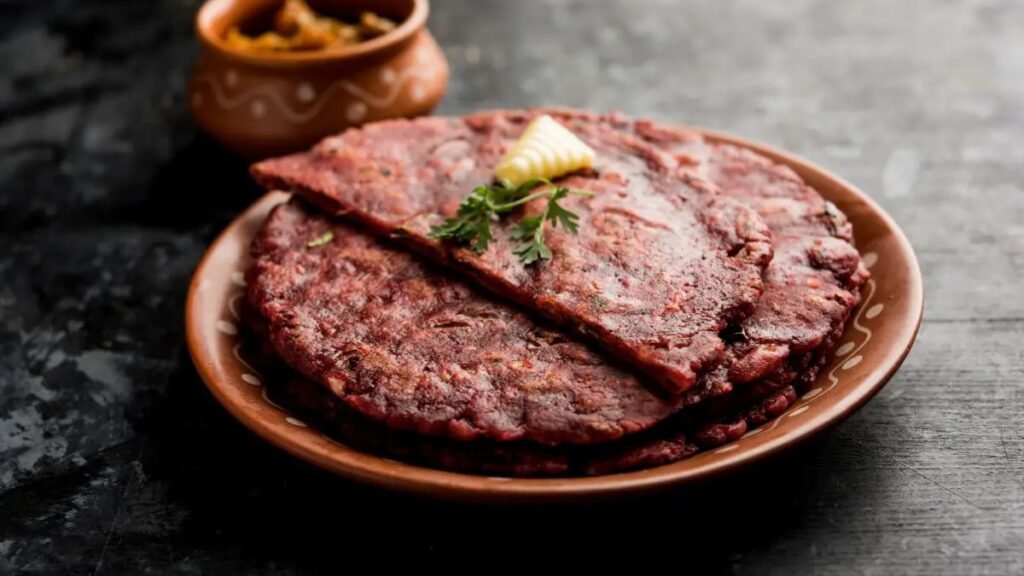
- Nagli (Ragi) Rotla – Thick millet flatbread, the staple grain of the Dang region. Dense, nutritious, and served with ghee or local chutney.
- Bamboo Pickle (Bambu Athanu) – Dang’s most famous culinary export. Made from young bamboo shoots, tangy and spiced. Buy a jar from a local vendor — it is unlike any pickle you will find elsewhere in Gujarat.
- Nagli Papad – Crispy papads made from ragi flour. Light, flavourful, and perfect as a travel snack.
- Wild Honey – Collected from Dang’s forests by tribal communities. Deeply flavoured and aromatic, available from stalls near the falls.
- Ginger Tea (Adrak Chai) – Hot tea from roadside stalls near the falls. The combination of misty air, roaring water, and a cup of strong ginger tea is one of the defining Gira Falls experiences.
- Corn (Makka) – Roasted or boiled maize from small stalls near the parking area. A classic monsoon snack.
There are no restaurants at the falls themselves. For a proper meal, Waghai town has basic dhabas and local eateries serving Gujarati food and simple South Gujarat staples. Carry your own packed meal if you plan to spend a full day near the falls.
Safety Rules at Gira Waterfalls
Gira Waterfalls is a natural site with real hazards particularly during the monsoon when water flow is at its most powerful. The Gujarat Forest Department and local authorities have installed safety barriers and warning boards at the falls. These exist for good reason and must be respected.
- Do NOT enter the plunge pool or riverbed near the base of the falls the water flow is extremely powerful and has claimed lives. This is non-negotiable.
- Stay behind all safety barriers and barricades they mark the safe viewing boundary.
- The rocks near the falls are extremely slippery during and after rain move carefully, wear non-slip footwear, and do not run or jump on wet rocks.
- Avoid swimming in the river near the falls the current is unpredictable and dangerously strong.
- Do not visit in conditions of active heavy rainfall water levels can rise suddenly and access paths can flood.
- Keep children under close supervision at all times the viewing areas involve uneven terrain near water.
- Do not litter Dang is a protected tribal and forest area. Carry your waste back with you.
Travel Tips for Gira Waterfalls
- Visit on a weekday during monsoon season weekend crowds at Gira Falls during July–September can be very large. Weekday visits are significantly more peaceful.
- Start from Surat or Saputara by 7 AM reaching the falls by 9–10 AM gives you the full day and the best morning light for photography.
- Carry a raincoat or poncho you will get wet from the mist even on sunny days, and a light rain jacket is essential in monsoon season.
- Wear non-slip footwear the paths to and around the falls involve wet, rocky terrain. Flip-flops are dangerous here. Wear proper walking shoes or water shoes.
- Carry cash no ATMs at or near the falls. The vendor stalls and local transportation are cash-only.
- Bring a dry bag for your phone and camera the mist near the falls is heavy enough to damage unprotected electronics during peak monsoon.
- Buy from local tribal vendors the bamboo crafts, nagli products, and wild honey are authentic Dang specialities that directly support local livelihoods. Budget for some shopping.
- Combine with Vansda and Waghai Botanical Garden Vansda National Park (~30 km) and the Waghai Botanical Garden (~6 km) make a natural 2-day South Gujarat itinerary.
- Check access road conditions in peak monsoon the road approaching the falls from Waghai is narrow and can be muddy after heavy overnight rain. Locals or your accommodation can advise on current conditions.
- No swimming at all this bears repeating. The falls and surrounding river are not safe for swimming, even for strong swimmers. Do not take the risk.
Nearby Attractions to Combine with Your Gira Falls Visit
- Waghai Botanical Garden ~3–6 km | A 24+ hectare botanical garden managed by the Gujarat government. Tropical plants, medicinal herbs, old banyan tree, and guided tours. Plan 1–1.5 hours here.
- Vansda National Park ~25–35 km | Gujarat’s densest forest reserve in the Western Ghats. Home to leopards, Forest Owlet, Malabar Trogon, and 150+ bird species. A self-drive safari makes an excellent companion to a Gira Falls visit. Read our full guide on TravelRoach.
- Saputara Hill Station ~49 km | Gujarat’s only hill station. Lake, ropeway (cable car), tribal museum, hanging gardens, sunrise point, and trekking trails. Ideal 2-night base for this region.
- Girmal Falls ~25–35 km from Waghai | A different waterfall in Dang, higher and more remote than Gira. For serious trekkers and those seeking an even wilder experience. Requires more effort to reach.
- Dang Durbar Ahwa, ~28 km | Annual tribal festival held during Holi week (Feb–March). Thousands of tribal community members gather for music, dance, and cultural performances. One of the most extraordinary festivals in South Gujarat.
- Purna Wildlife Sanctuary ~60–80 km | A larger forest reserve in South Gujarat home to leopards, sloth bears, tribal communities, and dense Western Ghats biodiversity.
- Don Hill Station ~40 km near Dang | A little-known hill retreat in the Dang region. Scenic viewpoints, forest walks, and genuine solitude for those who have already done Saputara.
Frequently Asked Questions (FAQs)
The best time to visit Gira Waterfalls is from July to December, when the waterfall has water flow. Peak monsoon (July to September) offers the most dramatic, powerful cascade 300 metres wide with thunderous sound and heavy mist. However, October to December is ideal for most visitors the waterfall is still impressively full, the roads are better, crowds are smaller, and the weather is cool and pleasant. Avoid March to June as the falls may dry up completely Gira is a seasonal waterfall.
The entry fee for Gira Waterfalls is approximately ₹10 per person a nominal charge. Parking is available near the site with applicable parking fees. The site is generally open from 9:00 AM to 5:00 PM. As entry fees at smaller natural sites can change, it is advisable to carry small-denomination cash for the gate and for local vendor purchases at the falls.
From Surat, Gira Waterfalls is approximately 110 to 130 km away — about 2.5 to 3 hours by road. Take NH48 from Surat, then turn onto NH360 towards Waghai. From Waghai town (about 5–6 km from the falls), hire a local jeep or auto for ₹100 to ₹200 to reach the site. Alternatively, take a GSRTC state bus from Surat to Waghai and then a local vehicle to the falls. The narrow gauge train from Bilimora to Waghai is also a scenic option if you are coming from Bilimora on the main Mumbai–Ahmedabad railway line.
No swimming is strictly not allowed at Gira Waterfalls, and this is a safety-critical rule, not just a guideline. The plunge pool at the base of the falls has dangerously powerful currents, especially during and after the monsoon. Even strong swimmers are at serious risk. The Gujarat Forest Department has installed safety barriers and warning boards at the site. Stay behind all barriers and do not enter the water near the base of the falls under any circumstances
Gira Waterfalls is approximately 49 to 50 km from Saputara hill station — about a 1.5-hour drive through the scenic forested roads of Dang district. It is one of the most popular day trips from Saputara and is frequently combined with visits to Waghai Botanical Garden and Vansda National Park as part of a 2 to 3-day South Gujarat itinerary. The drive between Saputara and Gira is through spectacular Western Ghats foothills scenery.
The tribal vendor stalls near the falls sell several products that are unique to the Dang region and well worth buying: bamboo pickle (bambu athanu a tangy, spiced pickle made from bamboo shoots, unlike anything available elsewhere in Gujarat), nagli (ragi/finger millet) papads, wild honey collected from the Dang forests, handmade bamboo baskets and handicrafts, and tribal jewellery. Buying directly from these vendors supports tribal artisans and their families an important part of responsible tourism in the Dang district.
Yes, Gira Waterfalls is a popular family destination, but requires careful supervision of children. The viewing areas near the falls involve uneven and potentially wet, slippery terrain. Children must stay behind safety barriers and must not be allowed near the water’s edge or the plunge pool. With proper supervision and appropriate footwear, it is a wonderful and memorable outing for families. The tribal craft stalls, forest walks, and picnic atmosphere near the falls make it genuinely enjoyable for children who are interested in nature and the outdoors.
Final Thoughts
Gujarat has countless reasons to visit palaces, lions, festivals, beaches, and food that will ruin you for every other Indian state. But Gira Waterfalls offers something that very little of Gujarat’s tourist trail even gestures towards: raw, unfiltered natural power.
Standing in front of a 300-metre-wide waterfall while the Dang forest drips with monsoon water and the mist settles on your face, with a bamboo pickle vendor behind you and the sound of the Ambika River below you this is a side of Gujarat that most of its visitors never find. Roach the road less travelled. Go to Dang.
