Ahmedabad has always been a city that builds things worth seeing ancient stepwells, carved mosques, the spinning wheel of a nation. But in August 2022, the city added something that surprised even those who thought they knew it well: a pedestrian bridge that looks like a kite in flight, glows with shifting LED colours after dark, has a glass floor section that lets you look straight down to the Sabarmati River below, and pulls in millions of visitors a year.
Atal Bridge on the Sabarmati Riverfront is not just a way to cross a river. It is one of India’s first purpose-built pedestrian bridges to become a tourist destination in its own right an engineering marvel that celebrates kites, the Sabarmati, and the pedestrian in equal measure. Since its inauguration, over 7.7 million people have walked across it.
This TravelRoach guide covers everything you need the story behind the bridge’s kite-inspired design, the glass floor experience, entry fees, timings, how to reach, what to do on both sides of the river, photography tips, and all the nearby Ahmedabad attractions worth combining into your visit.
Atal Bridge Ahmedabad – Quick Information
| Detail | Information |
| Full Name | Atal Pedestrian Bridge (Atal Foot Over Bridge / Atal Setu) |
| Named After | Former Prime Minister Shri Atal Bihari Vajpayee |
| Inaugurated By | Prime Minister Narendra Modi August 27, 2022 |
| Location | Sabarmati Riverfront, between Ellis Bridge and Sardar Bridge, Ahmedabad |
| Connects | West Bank (Flower Park) to East Bank (Events Ground / Arts & Culture Centre) |
| Length | 300 metres |
| Width | 10 metres at ends; 14 metres in the middle |
| Design Inspiration | Uttarayan (Kite Festival) rhombus shape mirrors a kite |
| Designed By | STUP Consultants Pvt. Ltd. |
| Built By | P&R Infraprojects Ltd. |
| Construction Material | ~2,600 metric tonnes of steel pipes; colourful fabric roof panels; glass and steel railings |
| Construction Cost | ₹74 crore |
| Special Feature | Glass floor panels look straight down to the Sabarmati River below |
| Type | Pedestrian and cycling only no motorised vehicles |
| Managed By | Sabarmati Riverfront Development Corporation Limited (SRFDCL) |
| Regular Timings | 9:00 AM – 9:00 PM (all days) |
| Extended Timings (Summer) | Open till 11:00 PM (April to July/summer season) |
| Time Limit Per Visitor | 30 minutes |
| Total Visitors (Since 2022) | Over 7.7 million |
| Nearest Metro Station | Gandhigram Metro Station |
| Nearest Railway Station | Ahmedabad Junction (Kalupur) ~5–5.5 km |
| Nearest Airport | Sardar Vallabhbhai Patel International Airport ~10–12 km |
Atal Bridge Entry Fee – Full Ticket Pricing
| Ticket Type | Adult (12–59 yrs) | Child (3–12 yrs) | Senior (60+) | Differently Abled |
| Atal Bridge Only | ₹30 | ₹15 | ₹15 | Free |
| Flower Park Only | ₹20 | ₹10 | ₹10 | Free |
| Atal Bridge + Flower Park (Combined) | ₹40 | ₹20 | ₹20 | Free |
| Children below 3 years | — | Free | — | — |
Tickets are purchased at the entry counters on either bank of the bridge. The combined Atal Bridge + Flower Park ticket is the best value if you plan to explore both the Flower Park is directly connected to the west side of the bridge and is one of the most pleasant spaces on the entire Sabarmati Riverfront.
The Design A Kite Over the Sabarmati
Why a Kite?
Ahmedabad is inseparable from its kites. Every year on Uttarayan Makar Sankranti, January 14 the entire city takes to its rooftops and fills the sky with thousands of colourful kites. The festival is not just a celebration; it is a defining cultural identity of Amdavadis. The sky over the old city on Uttarayan morning is one of the most extraordinary visual spectacles in India a canvas of colour, string, and wind.
When the design for a new pedestrian bridge on the Sabarmati Riverfront was put to competition, the winning concept by STUP Consultants Pvt. Ltd. made this cultural DNA the very shape of the structure. The bridge has a rhombus cross-section the exact shape of a kite. The colourful fabric panels that form the roof replicate the vivid, playful hues of Gujarat kites. Even the engineering of the bridge a single-span steel truss with the elevation of the truss giving the impression of an arch echoes the tensioned arc of a kite string in flight.
The result is a bridge that does not merely cross the Sabarmati. It celebrates Ahmedabad.
The Structure – Engineering Details
- Single-span steel truss bridge with a rhombus-shaped cross-section structurally unique in India
- Supported on spherical bearings, with the elevation of the truss creating the impression of an arch
- 300 metres in total length, with the widest section of 14 metres at the midpoint
- Approximately 2,600 metric tonnes of high-grade steel used in construction
- Colourful PTFE fabric panels form the roof providing partial shade and the visual kite effect
- Glass and stainless steel railings on both sides allowing unobstructed Sabarmati River views throughout the walk
- Dynamic LED lighting system colour-changing, programmable, creating a completely different visual character after dark
- Glass floor panels at the midpoint four transparent sections where visitors can look directly down to the river below
- Steel benches installed at intervals for seating and rest
- Green cover small planted areas along the bridge provide visual relief and a touch of nature
- Food kiosks and a cafeteria near the bridge access points on both banks
- Multi-level car parking facilities connected to both the east and west bank entry points
The Glass Floor – Ahmedabad’s Most Thrilling 30 Seconds
The highlight of an Atal Bridge visit for most visitors especially the thrill-seekers is the glass floor section near the middle of the bridge. Four transparent panels are set into the walkway floor, offering a completely unobstructed view straight down to the Sabarmati River flowing approximately 10 to 15 metres below.
For those with a fear of heights, this section is genuinely unsettling. The panel is solid, tested, and perfectly safe but the visual experience of looking down through glass to see moving river water under your feet triggers a primal vertigo that most people describe as thrilling, funny, or both. First-time visitors frequently freeze at the edge and then step on slowly, arms outstretched for balance they do not actually need.
There is also a kinetic structure near the middle section designed for photographs a feature that has made certain poses and angles from Atal Bridge among the most-shared Ahmedabad images on social media.
Also Read: Weekend Getaways from Ahmedabad
What the Experience is Like — What to Expect
Morning (9 AM to 12 PM) — Calm, Peaceful, Best Light
Early morning is the best time for photography and a quiet walk. The light on the Sabarmati at 9 to 10 AM is golden and clear. Crowd levels are low on weekdays, moderate on weekends. The bridge’s colourful fabric roof looks brightest in morning sunshine. This is when you can genuinely stand and absorb the view the wide sweep of the river, the old city to the east, the newer western developments, and both the Sardar and Ellis bridges framing the water on either side.
Afternoon (12 PM to 5 PM) – Avoid on Hot Days
Ahmedabad’s afternoon sun can be punishing, especially from March to September. The bridge has partial shade from the fabric panels but is largely exposed. The steel structure absorbs heat. If visiting in summer months, skip the afternoon window entirely and visit in the morning or evening. Between October and February, afternoon visits are perfectly comfortable.
Evening (5 PM to 9 PM) – The Best Experience
This is when Atal Bridge is at its most magnificent. As the sun drops over the Sabarmati and the sky turns pink and orange, the bridge transforms. The colourful fabric roof catches the evening light differently from the morning, and the river below turns to gold. From around 7 PM onwards, the LED lights activate and the bridge becomes something from a different city altogether. Dynamic colour patterns wash across the structure, reflect in the river below, and photograph beautifully from either bank or from inside the bridge itself.
Evening visits draw the largest crowds. On weekends between October and January, the queue can be long. Come slightly earlier by 5:30 to 6 PM to get the full sunset-to-LED-lights transition without waiting in a long line.
Night (7 PM to 9 PM) – LED Magic
Atal Bridge at night is a completely different experience from the daytime version. The shifting LED illumination turns the entire 300-metre span into a glowing, colour-changing spectacle that reflects on the dark water below. It has become one of the most photographed spots in modern Ahmedabad genuinely beautiful and surprisingly romantic. Couples, families, and solo photographers all converge here after dark. The bridge closes at 9 PM (11 PM during summer extended hours).
Things to Do at and Around Atal Bridge
1. The Glass Floor Walk
Step on the glass floor panels at the centre of the bridge and look down to the Sabarmati flowing below. Take your time the panels are entirely safe. Let the mild vertigo settle into something enjoyable. The experience is best appreciated slowly, not rushed.
2. Sunset Photography
The bridge’s position on the Sabarmati running east to west means the setting sun drops beautifully along the river axis from the western end of the bridge. The best sunset photograph from Atal Bridge is taken from the bridge itself looking west, capturing the sun dropping between the Flower Park bank and the riverfront promenade, with the bridge’s colourful roof catching the last light overhead.
3. LED Night Photography
Come between 7 and 8:30 PM with a smartphone camera or DSLR. The LED patterns create genuinely striking images the reflection of the lights in the river below, the silhouettes of people against the coloured panels, and wide-angle shots of the entire illuminated bridge from either bank are all worth the effort. The combination of moving colour and still water makes almost any composition work.
4. Explore the Riverfront Flower Park (West Side)
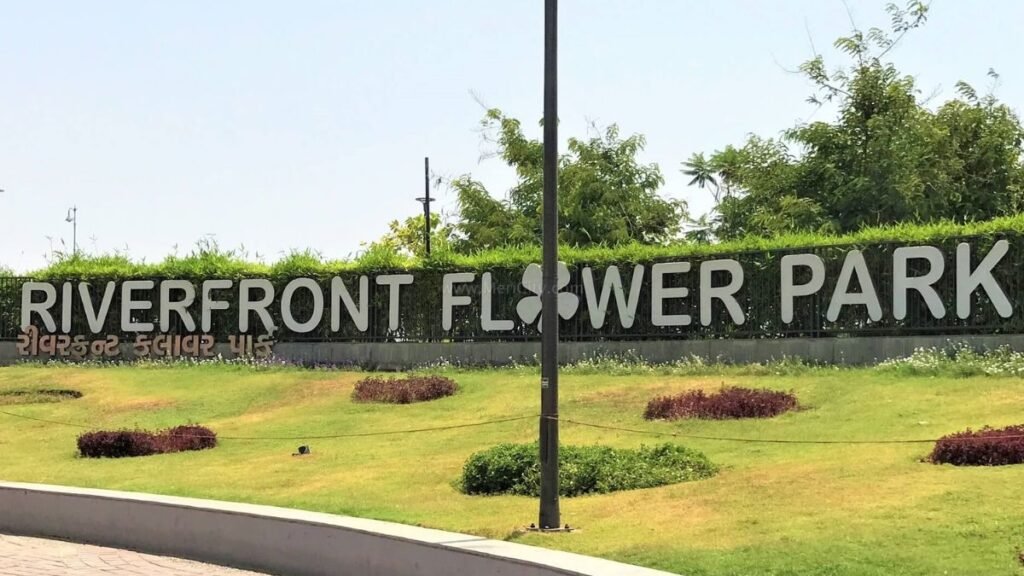
The Flower Park on the west bank directly connected to the west entry of Atal Bridge is one of the most pleasant green spaces on the entire Sabarmati Riverfront. Well-maintained walking paths, flowering plant varieties, a clean promenade, and riverfront views make it a natural add-on to your bridge visit. Entry to the Flower Park is ₹20 per adult or ₹40 combined with the bridge ticket.
5. Sabarmati Riverfront Promenade Walk
Both the east and west banks of the Sabarmati Riverfront feature beautifully developed walking promenades stretching several kilometres from the bridge. These tree-lined paths run along the river edge and are ideal for a morning or evening walk. You can also rent bicycles from designated points along the riverfront to explore a larger stretch of the 11 km developed waterfront.
6. Boating on the Sabarmati
Boating facilities are available on the Sabarmati Riverfront near the bridge. Various boat types paddle boats, motorboats, and river cruise options operate from designated ghats along the riverfront. An evening boat ride on the Sabarmati with the illuminated Atal Bridge rising in front of you is one of the most visually rewarding experiences Ahmedabad currently offers.
7. Visit the Events Ground (East Side)
The east bank of the bridge connects to a large events ground that hosts cultural shows, fairs, and public gatherings throughout the year. Check the Sabarmati Riverfront website or local event listings for current programmes attending a cultural event here with the illuminated bridge as a backdrop creates a genuinely special Ahmedabad memory.
Also Read: Top Road Trips from Ahmedabad
How to Reach Atal Bridge, Ahmedabad
| From | Distance | Mode | Approx. Time |
| CG Road / Navrangpura | ~3–5 km | Auto / Cab (south towards riverfront) | 10–15 mins |
| Old Ahmedabad / Manek Chowk | ~4–6 km | Auto / Bus via Relief Road | 20–30 mins |
| Kalupur Railway Station | ~5–5.5 km | Auto / Cab | 15–20 mins |
| SG Highway / West Ahmedabad | ~15–20 km | Car / Cab | 20–30 mins |
| Gandhinagar | ~27 km | Car / Bus | 45–55 mins |
| SVP International Airport | ~10–12 km | Taxi / Cab | 20–25 mins |
| Sabarmati Ashram | ~3.5 km | Auto / Walk along riverfront | 15–20 mins |
| Gandhigram Metro Station | ~500 m – 1 km | Metro + short walk | 5–10 mins from metro |
By Metro (Recommended from Most Parts of Ahmedabad)
The Gandhigram Metro Station on Ahmedabad Metro Line 1 is the closest metro stop to Atal Bridge. From Gandhigram station, the bridge is approximately 500 metres to 1 km a short walk or a quick auto ride. The metro connects Ahmedabad’s major hubs including Kalupur Railway Station, the airport corridor, and CG Road, making it the most convenient public transport option for visiting the bridge.
By Auto-Rickshaw or Cab
Simply tell the driver: ‘Atal Bridge, Sabarmati Riverfront’ every Ahmedabad auto driver knows it. Uber and Ola are widely available and drop you directly to the bridge entry points on either bank. This is the most flexible option for visitors arriving from any part of the city.
By BRTS
Ahmedabad’s BRTS (Bus Rapid Transit System) has stops within 500 metres of the bridge. Several routes pass near the Sabarmati Riverfront along Ashram Road. Check the current BRTS route map on the Ahmedabad BRTS app or website for the most accurate stop information.
Parking
Multi-level car parking facilities are available on both the east and west banks of Atal Bridge a deliberate part of the infrastructure design. If arriving by private car, park in the designated areas on either bank and walk to the bridge entrance. Parking is paid and managed separately from the bridge ticket.
Best Time to Visit Atal Bridge
October to February – Best Season
Ahmedabad’s winter months make the Atal Bridge experience genuinely wonderful. The weather is cool, the sky is clear, and an evening walk on the bridge after sunset is one of the city’s most pleasant activities. January visits also coincide with Uttarayan (January 14) when you can see kites flying across the city skyline, making the visit to a kite-shaped bridge especially resonant.
Evening Visits – Recommended Year-Round
Regardless of season, the best time of day is the late afternoon to early evening window approximately 5:30 PM to 8:30 PM. This captures the sunset over the river, the transition to LED lighting, and the full visual character of the bridge. In winter this coincides with comfortable temperatures. In summer, the evening breeze from the river makes even warm-month visits enjoyable.
Weekday Mornings – Best for Photography
For serious photographers or those who dislike crowds, Tuesday to Friday mornings between 9 AM and 11 AM offer the best combination of light, empty compositions, and a relaxed pace. You can spend the full 30 minutes on the bridge without feeling rushed or crowded.
Avoid Peak Weekends and Holidays
Atal Bridge has become one of Ahmedabad’s most popular attractions and draws very large crowds on weekends and public holidays particularly Saturday and Sunday evenings between November and January. If visiting during these windows, arrive early (before 5:30 PM) and expect queues at the ticket counters.
Travel Tips for Atal Bridge
- Visit on a weekday evening – the crowd is significantly thinner than weekends and the LED light experience is identical.
- 30-minute time limit is enforced – make the most of your time. Cross the bridge at a leisurely pace, spend extra time at the glass floor, and don’t forget to look back from the centre for the best view of both banks.
- No food or drink is allowed on the bridge – finish your snacks before the entry gate. Food kiosks are available near the bridge on both banks.
- Wear comfortable, flat shoes – the bridge surface is steel and can feel hard after 300 metres. Heels are impractical.
- Carry a power bank – the evening LED photography session will drain your phone battery quickly if you are shooting extensively.
- Buy the combined Atal Bridge + Flower Park ticket (₹40 adult) – it is the best value and the Flower Park is genuinely worth an extra 30 minutes.
- Arrive at the bridge around 6 PM in winter months – this positions you perfectly for the sunset transition into the LED lighting phase.
- Heights note: the glass floor can be genuinely disorienting. If you have significant acrophobia, you can step around the glass panels – the rest of the bridge has solid flooring throughout.
- For Uttarayan visitors: Visit Atal Bridge on January 14 or 15 during peak kite-flying hours (10 AM to 2 PM) to see the bridge surrounded by actual kites filling the Ahmedabad sky the design inspiration made literal.
About the Sabarmati Riverfront – Context for the Bridge
To fully appreciate Atal Bridge, it helps to understand what it sits within. The Sabarmati Riverfront Development Project is one of India’s most successful urban waterfront transformation projects a 11-km stretch of the Sabarmati River through central Ahmedabad that was redeveloped over more than a decade from a neglected flood plain into a continuous public promenade.
The riverfront features parks, event grounds, boat clubs, heritage precincts, amphitheatres, food courts, jogging tracks, cycling lanes, and cultural spaces all connected by promenades on both banks. The project celebrated its tenth anniversary in August 2022, the same month Atal Bridge was inaugurated. The bridge was conceived as the centrepiece of the riverfront’s second decade a visual landmark that would anchor both banks and draw people to the river who might not otherwise come.
It has succeeded spectacularly. With 7.7 million visitors since August 2022, Atal Bridge has become the single most-visited attraction on the Sabarmati Riverfront and one of Ahmedabad’s top three tourist draws overall.
Also Read: Best Street Food in Ahmedabad
Nearby Attractions to Combine with Atal Bridge
- Sabarmati Ashram (Gandhi Ashram) -~3.5 km | Mahatma Gandhi’s historic ashram on the Sabarmati bank. A must-visit for anyone in Ahmedabad — the spinning wheel, the personal belongings, and the riverfront setting are deeply moving.
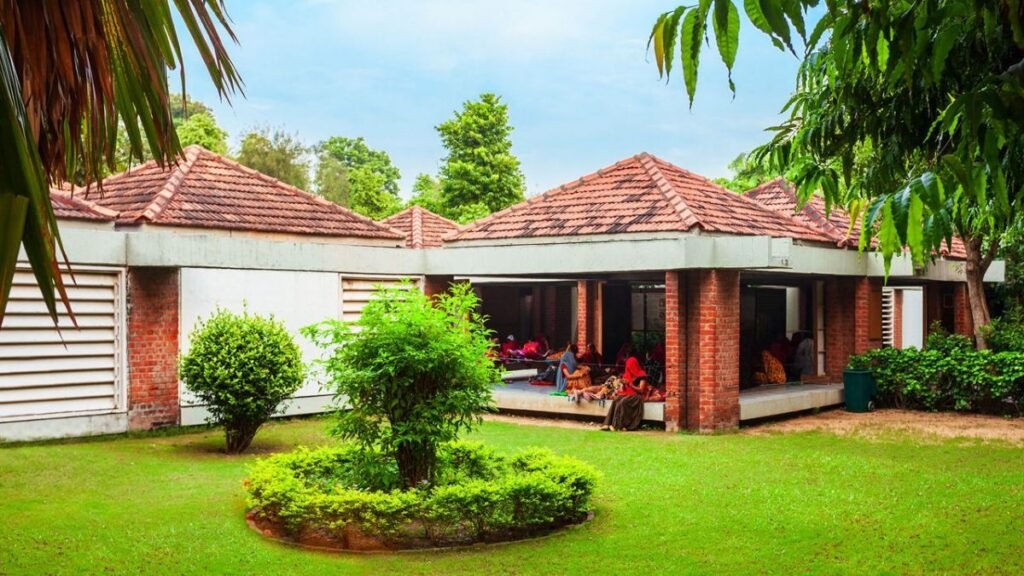
- Riverfront Flower Park Directly connected (west bank) | One of the most pleasant green spaces on the Sabarmati Riverfront. Buy the combined ticket for ₹40 and include it in your visit.
- Manek Chowk Night Market ~4 km | Ahmedabad’s legendary late-night street food market. Perfect for dinner after an Atal Bridge evening visit. Read our full guide on TravelRoach.
- Sidi Saiyyed Mosque (Jali Mosque) ~3–4 km | Famous for its intricate stone lattice window the Tree of Life — one of India’s most photographed architectural details.
- Bhadra Fort and Teen Darwaza ~5 km | The iconic triple-arched gateway to Ahmedabad’s old city. Beautifully lit at night — combine with a Manek Chowk food crawl for a complete old-city evening.
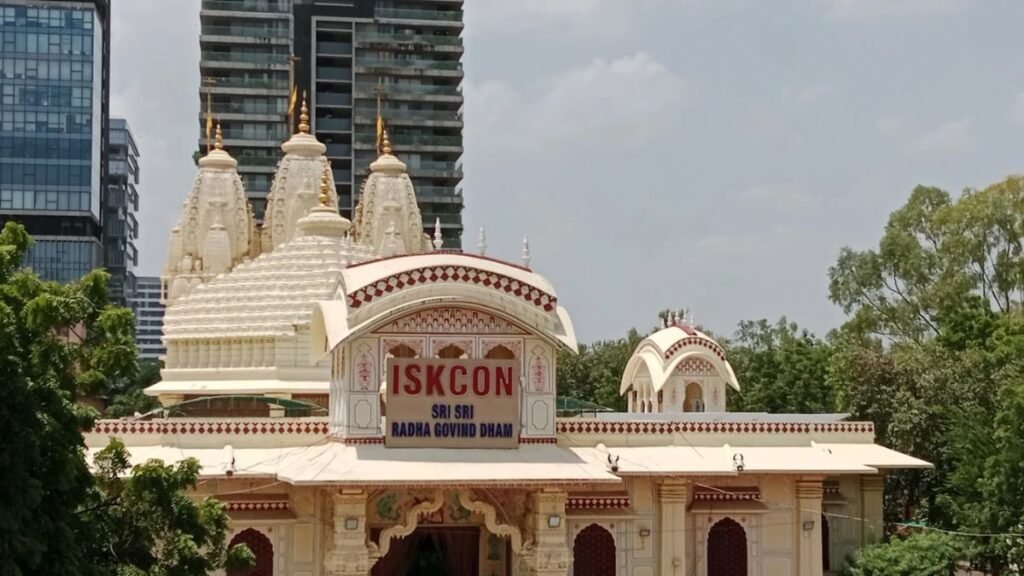
- ISKCON Temple Ahmedabad ~5–6 km | A stunning and peaceful temple. Beautiful interiors, evening aarti, and a calm spiritual atmosphere after the energy of the riverfront.
- Kankaria Lake ~7–8 km | Ahmedabad’s most popular family entertainment destination zoo, toy train, balloon ride, musical fountain. Read our full guide on TravelRoach.
- Law Garden Night Market ~3–4 km | Another evening market famous for embroidered Gujarati textiles, chaniya-choli, and local street food.
Frequently Asked Questions (FAQs)
Atal Bridge is Ahmedabad’s most iconic modern structure a 300-metre pedestrian-only bridge on the Sabarmati Riverfront, inaugurated by PM Narendra Modi on August 27, 2022. It is famous for its kite-inspired rhombus design with colourful fabric panels, a glass floor section where visitors look straight down to the Sabarmati River, dynamic LED lighting that transforms the bridge into a glowing spectacle at night, and panoramic views of the Sabarmati. Since opening, it has attracted over 7.7 million visitors and is now Ahmedabad’s top modern tourist attraction.
The entry fee for Atal Bridge is ₹30 for adults (12–59 years), ₹15 for children (3–12 years) and senior citizens (60+), and free for children below 3 and differently-abled visitors. A combined ticket for Atal Bridge plus the Flower Park is ₹40 for adults and ₹20 for children and seniors. Tickets are purchased at the entry counters on either bank. Entry for differently-abled visitors is free across all ticket categories.
Atal Bridge is open from 9:00 AM to 9:00 PM on regular days, all seven days of the week. During summer months (approximately April to July), the bridge extends its hours till 11:00 PM to accommodate the longer evenings and school holiday crowds. Each visitor is allowed a maximum of 30 minutes on the bridge a rule enforced to manage crowd flow. The best time to visit is the evening window between 5:30 PM and 8:30 PM for sunset views and the LED light experience.
Yes. Atal Bridge has four glass floor panels near its midpoint where the walkway is transparent, allowing visitors to look directly down through the floor to the Sabarmati River flowing below. This is one of the most talked-about features of the bridge genuinely exciting for thrill-seekers and those with mild acrophobia (though the panels are completely solid and engineered to the highest safety standards). Visitors who are uncomfortable with the glass section can walk around the panels on the solid flooring on either side.
Yes. Atal Bridge is open to both pedestrians and cyclists. Non-motorised vehicles including bicycles are permitted on the bridge, which is part of the riverfront’s overall eco-friendly and pedestrian-first design philosophy. Motorised vehicles of any kind are not permitted. Bicycles can also be rented from designated points along the Sabarmati Riverfront for a larger exploration of the riverfront promenade on both banks.
The nearest metro station is Gandhigram on Ahmedabad Metro Line 1 approximately 500 metres to 1 km from the bridge entrance. From anywhere in the city, simply take an auto or ride-share (Uber/Ola) and ask for ‘Atal Bridge, Sabarmati Riverfront’ every driver knows it. BRTS buses stop within 500 metres of the bridge along the Ashram Road corridor. Multi-level parking is available on both banks if coming by private vehicle.
For the most dramatic photography, visit between 6:00 PM and 8:30 PM in winter months (October to February). This window captures the golden-hour sunset over the Sabarmati, the transition into evening, and the full LED lighting phase giving you three distinct lighting conditions in a single visit. For architectural photography with minimal crowds, Tuesday to Thursday mornings between 9 AM and 11 AM are ideal. The glass floor photographs best in daylight when the river below is clearly visible through the panels.
Final Thoughts
Ahmedabad has always had layers a city where a 15th-century mosque stands next to a modern metro station, where the Sabarmati that Gandhi walked beside now reflects the colours of a kite-shaped steel bridge glowing at 8 PM on a Tuesday evening. Atal Bridge is the newest layer, and it is a very good one.
It takes 20 minutes to walk. It costs ₹30. It gives you the Sabarmati from above, the city from both sides, and a glass floor that makes children shriek and adults laugh. In the evening, it turns colours over the water and becomes one of the most photographed places in Gujarat.
If you are in Ahmedabad for even one evening come here. Combine it with the Flower Park, a quick walk along the riverfront promenade, and dinner at Manek Chowk afterward. That is a near-perfect Ahmedabad evening.
